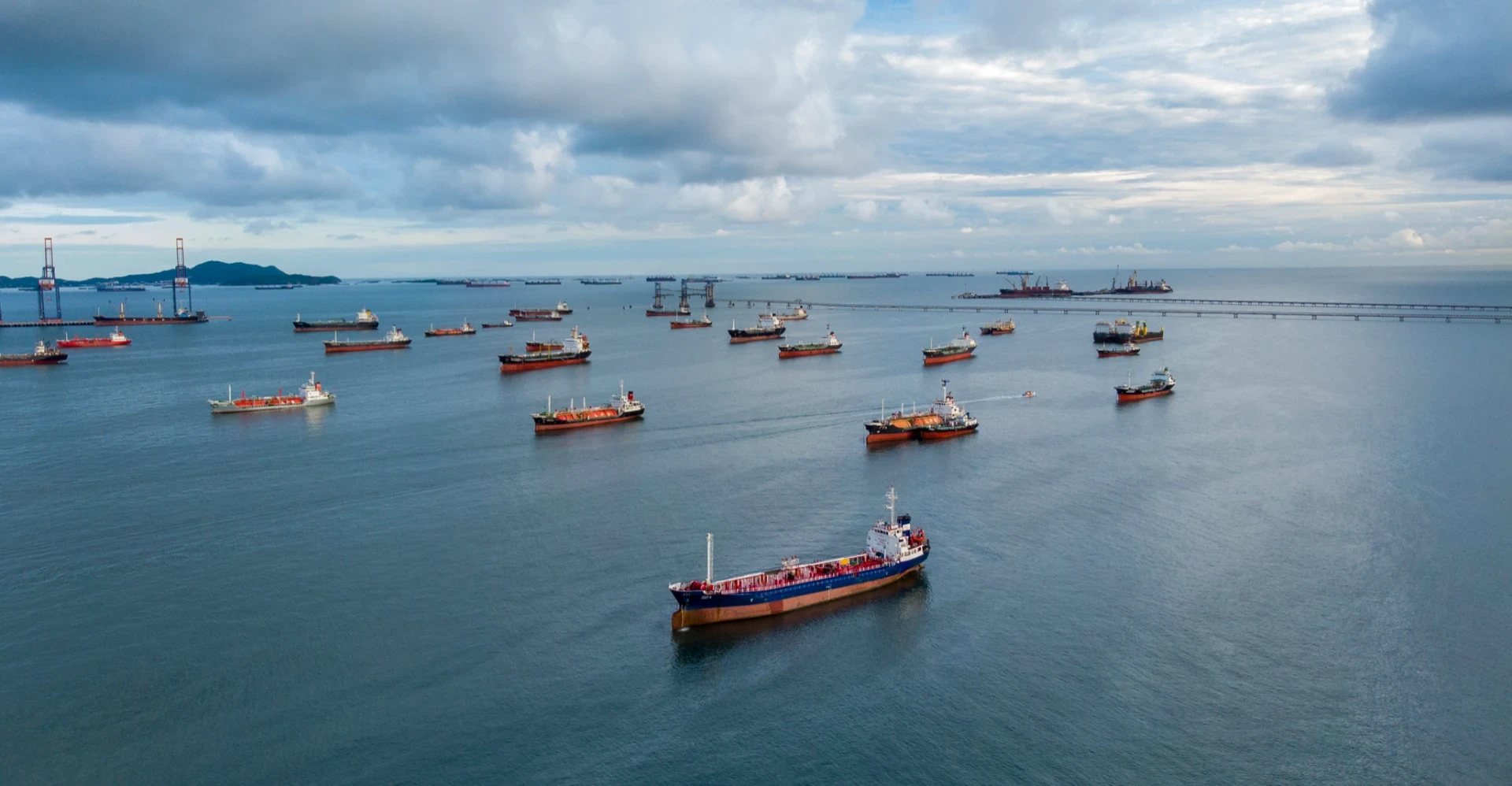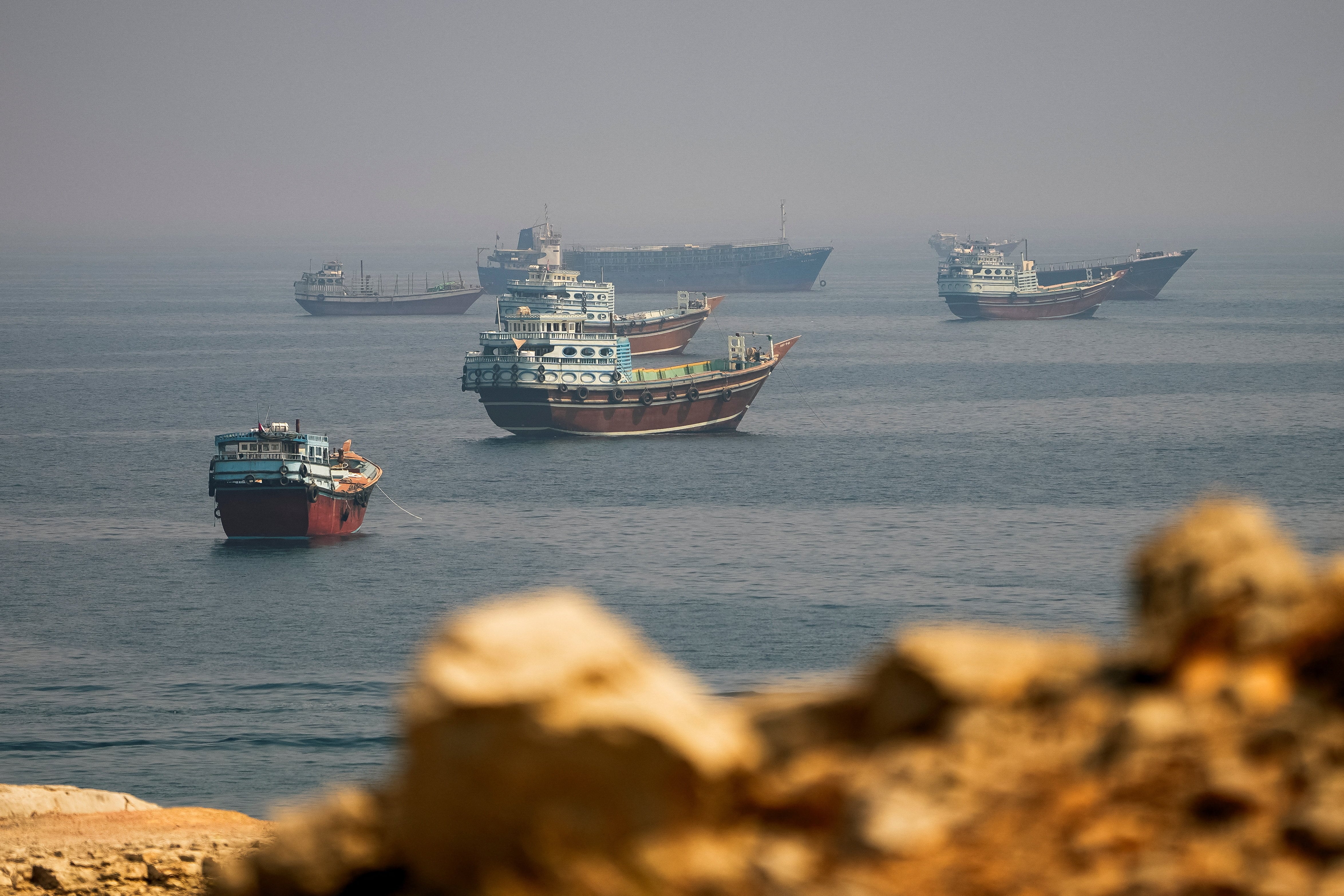
U.S. Treasury Secretary Scott Bessent said on Monday that the Strait of Hormuz "will be a worthless piece of water" in two years once new pipelines allow Gulf countries to bypass the waterway for oil exports. He estimated up to 70 per cent of the energy normally transiting the strait would shift to pipelines.
Salih Yilmaz, senior energy analyst at Bloomberg Intelligence, said oil has alternatives that can expand quickly, but liquefied natural gas and container shipping cannot be easily replicated. The strait is likely to remain strategically important well beyond two years, Yilmaz told The National.
The United Arab Emirates and Iraq have announced pipeline projects to circumvent the Strait of Hormuz, with the UAE expanding the Habshan-Fujairah pipeline to double crude oil exports to three million barrels per day by next year. Iraq and Syria are reviving a pipeline from Kirkuk to Baniyas damaged in the 2003 invasion, expected to carry two million barrels per day initially.
Yilmaz noted that new pipelines give the region "substantial optionality, but it still falls well short of fully replacing the roughly 20 million barrels a day of oil and products that normally transit Hormuz." The UAE's expanded capacity and Saudi Arabia's East-West pipeline carrying seven million barrels per day to the Red Sea together account for less than half the strait's normal flow.
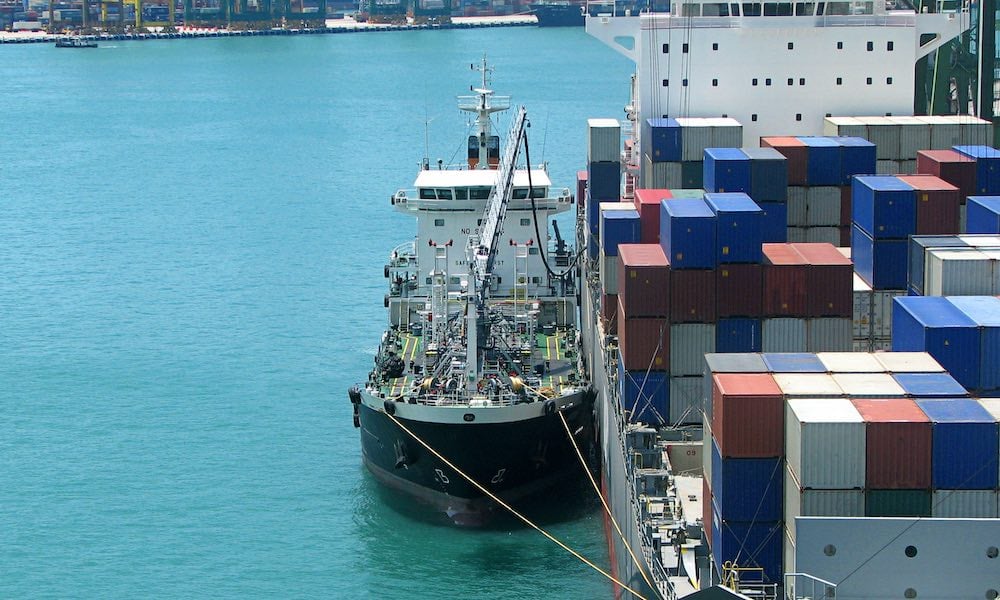
For container traffic, alternative overland routes through Oman and the UAE ports "cannot replicate the capacity, economics or convenience of major Gulf ports such as Jebel Ali," Yilmaz said. For liquefied natural gas, the barrier is even more significant: Qatar's Ras Laffan LNG facilities lie inside the Gulf, requiring virtually all seaborne exports destined for global markets to transit the strait, with no existing pipeline network capable of rerouting those volumes at current scales.
Sasha Foss, energy markets analyst at Marex, said Bessent's comments "should more be seen as a negotiation posture" and are unlikely to move markets or stand the test of time, as "the Strait of Hormuz will not be a worthless piece of water." Only geography and the discovery of alternative energy sources from the Americas could diminish its importance, Foss added.