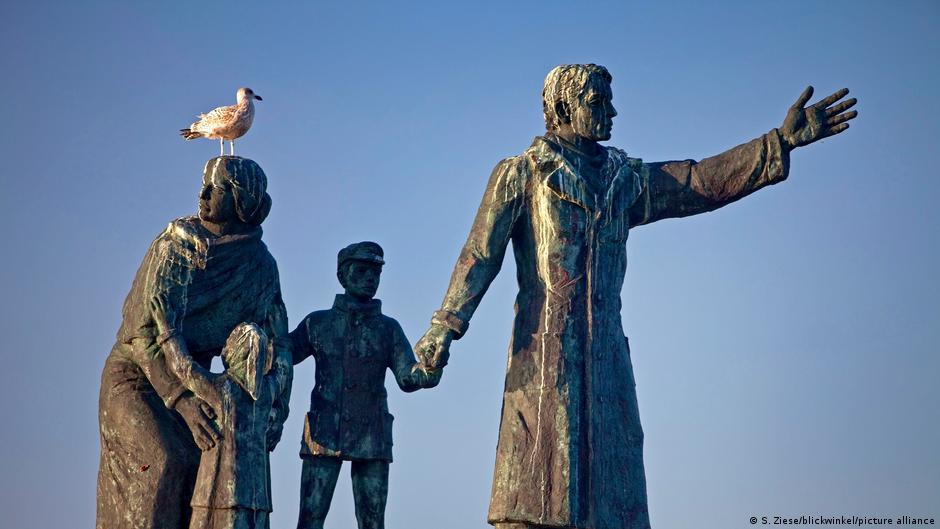
Germans emigrated to North America in large numbers starting in the 18th century, drawn by the prospect of prosperity. Between the start of the 19th century and World War I, roughly 6 million Germans left for the New World, according to Simone Blaschka of the German Emigration Center in Bremerhaven. The journeys were brutal: sailing ships packed migrants below deck for weeks, and many died of disease during the crossing.
Simultaneously, Germans were also moving eastward. In 1763, Russian Empress Catherine the Great, herself born German, issued a manifesto inviting settlers to cultivate uninhabited regions. She offered free transport, land, tax exemptions for the first year, schooling, exemption from military service, and the right to maintain German language and self-governance.
The flow of European emigration reversed in the mid-20th century. By the 1950s, West Germany's postwar economic boom created labour shortages, and the government began recruiting workers from Italy, Greece, Spain, Portugal, Yugoslavia and Turkey. "Guest worker trains" arrived at stations in Stuttgart, Dortmund and Cologne starting in 1956. Around 14 million people came to West Germany under this programme before recruitment was halted in 1973; approximately 3 million remained permanently.
Yet West Germany did not officially conceive of itself as an immigration country. Jochen Oltmer, a migration researcher at the Institute for Migration Research and Intercultural Studies in Osnabrück, said the prevailing view was: "It doesn't matter why people came to the Federal Republic; they don't belong, because in any case they'll leave the country again and disappear." This attitude persisted despite demographic change.
According to Germany's Federal Statistical Office, more than 30 per cent of the country's population had a migrant background as of 2025. Germany now actively seeks to attract skilled workers, though refugees are granted asylum only if they face political persecution or are fleeing armed conflict. Asylum accounts for barely 10 per cent of all immigration to Germany, Oltmer said.