More than 340,000 people remain displaced in Lebanon six months after fighting erupted between Israel's military and Hezbollah, the armed group designated as a terrorist organization by some Western countries. At the peak of the conflict, nearly one million people — roughly a quarter of Lebanon's population — had fled their homes. Most have returned, but those in destroyed areas or territory occupied by Israeli forces have not.
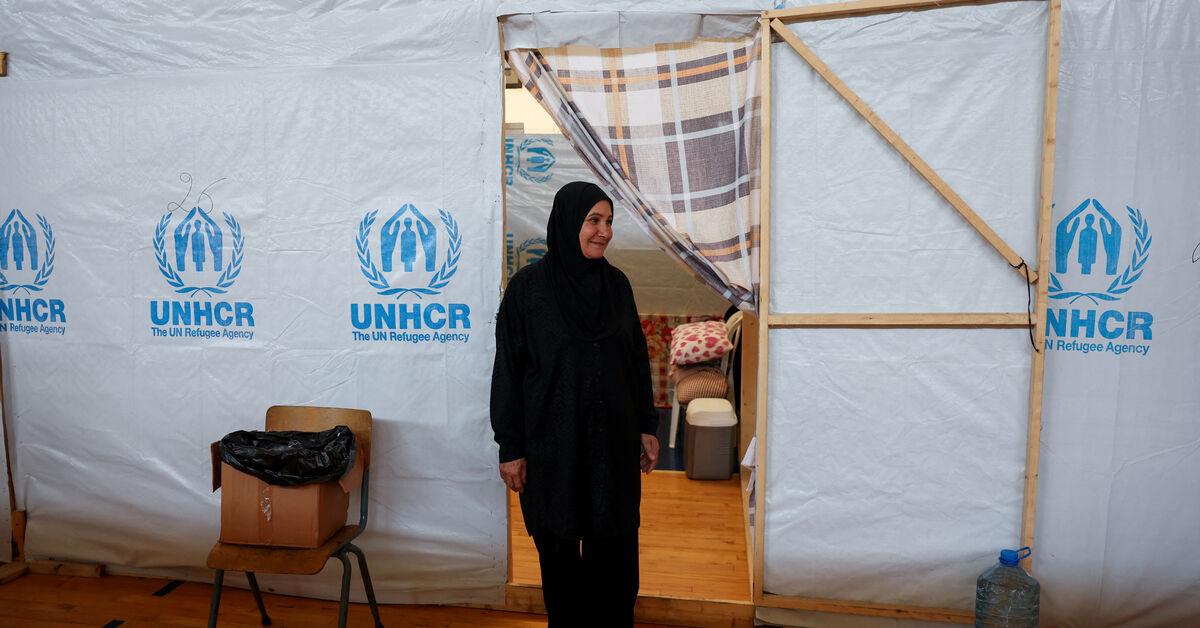
Thousands of displaced families continue to live in public schools converted into shelters. With the school year scheduled to begin on September 15, Lebanese officials are preparing to reopen classrooms while managing the dual use of buildings. The education ministry told Reuters that out of nearly 80 schools currently serving as shelters, almost half will close to resume teaching, 30 will partially reopen while still housing families, and nine will remain fully dedicated to shelter.
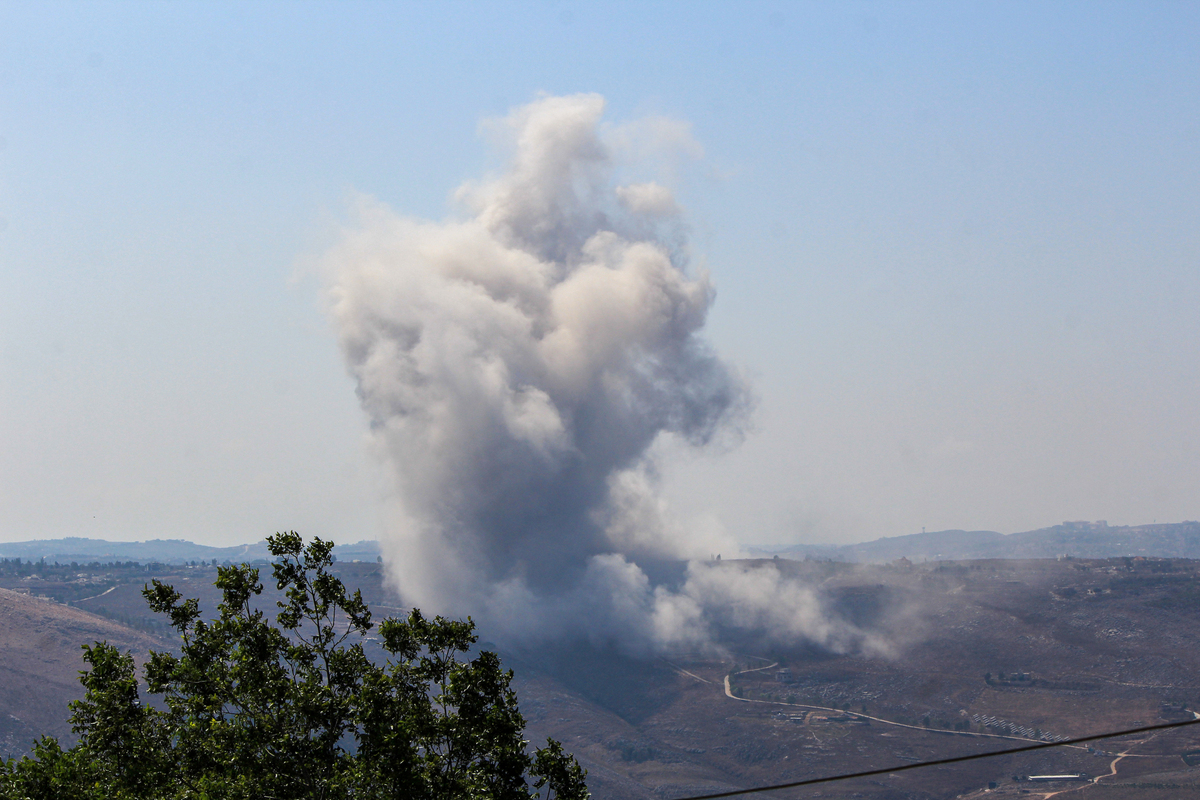
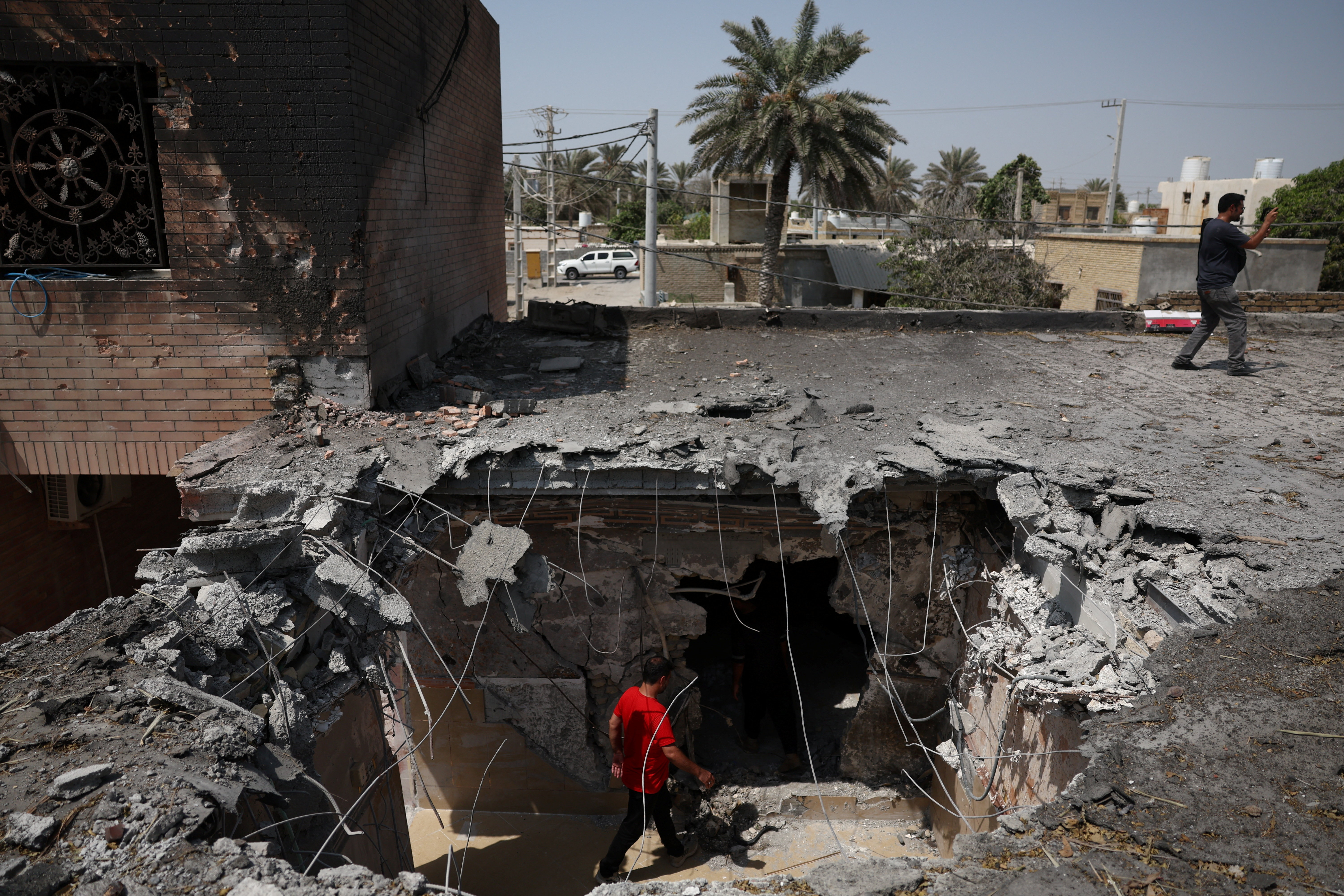
The Israeli military campaign since March 2 has killed more than 4,300 people in Lebanon, including more than 250 children, and wounded 12,000 others, including 1,000 children, according to Lebanon's health ministry. An additional 50 public schools have been destroyed or severely damaged, with more than 200 others suffering moderate or minor damage, the education ministry said.
In the southern coastal village of Mansouri, families including grandmother Najah Ammar, 62, fled to a public school in the city of Tyre about 10 kilometers north. She said her grandchildren have lost two years of schooling across multiple conflicts. Another displaced mother, Rula al-Awad, 27, said she lacks the education to help her daughter with online classes and fears she cannot afford schoolbooks or uniforms for the new year.
Zeinab Moussa, 56, who lives in tents within a school shelter with her sons and grandchildren, said the children experience only brief moments of relief when aid organizations visit. The United Nations said the impact on schools could jeopardize the new school year for at least 100,000 children.
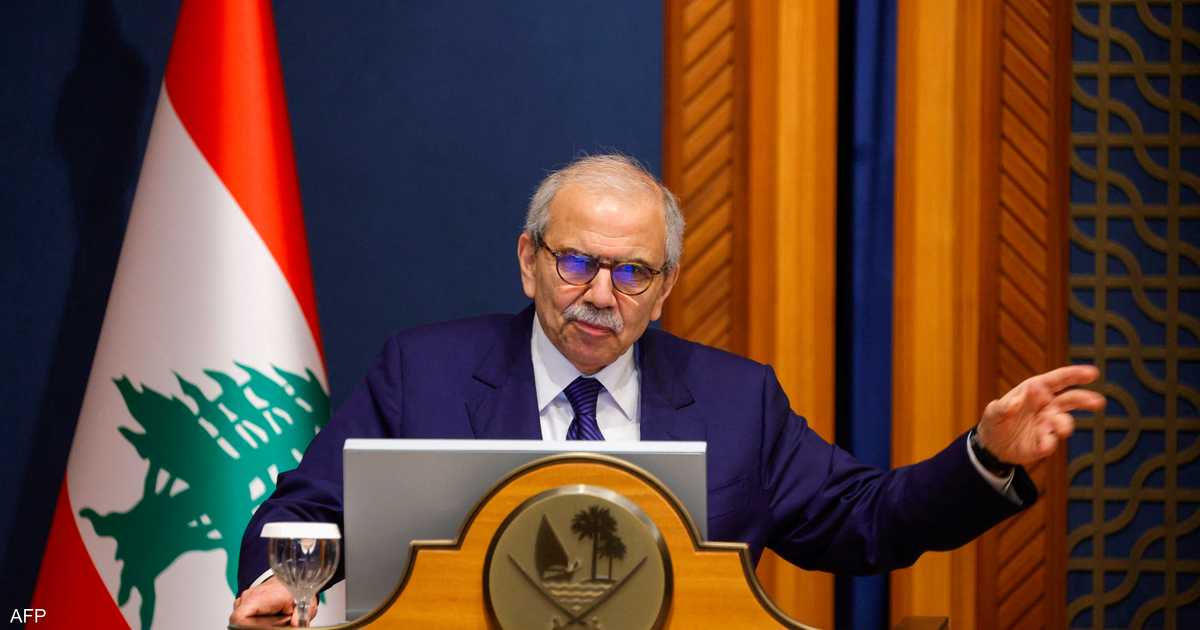
Education Minister Rima Karami said this week she aimed to ensure as many southern students as possible could continue their education, either in their hometowns if safe or while displaced. Danny Glenwright, president of Save the Children Canada, said a durable ceasefire was necessary to resolve the crisis.