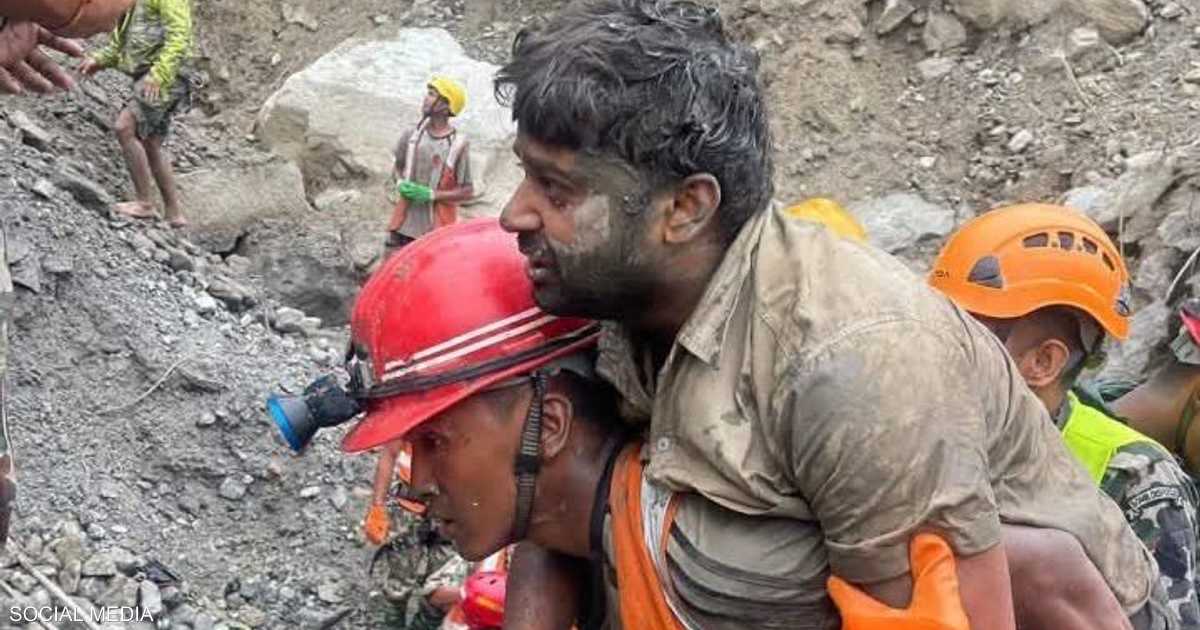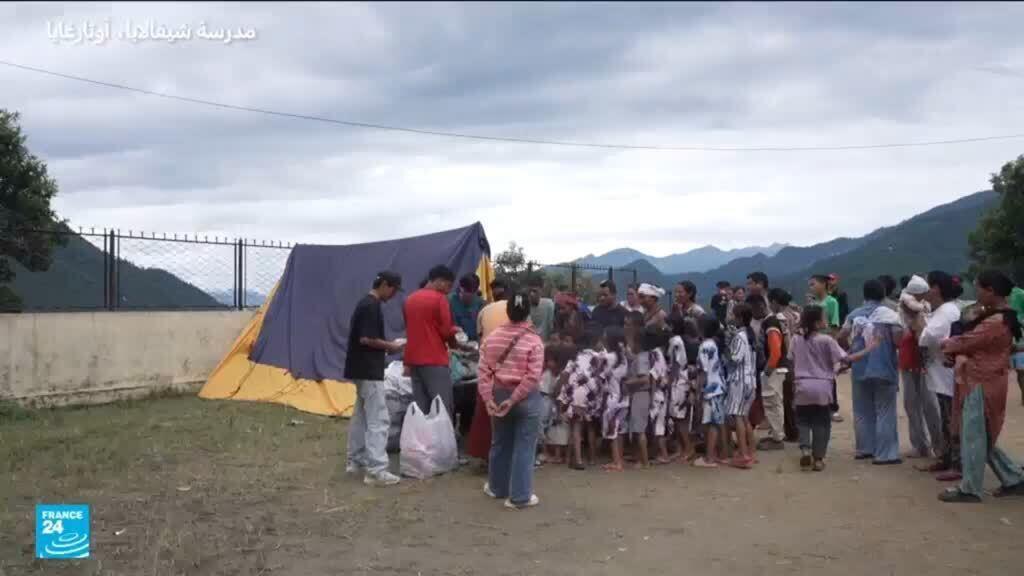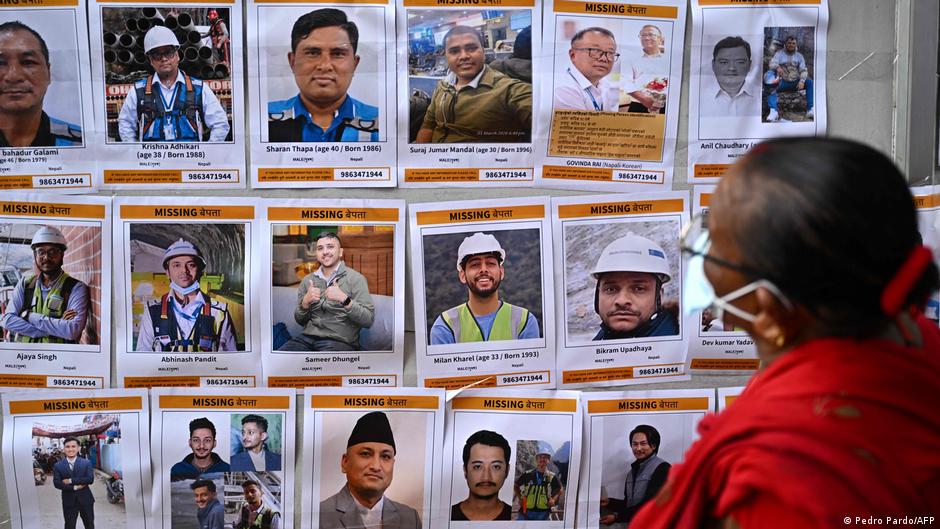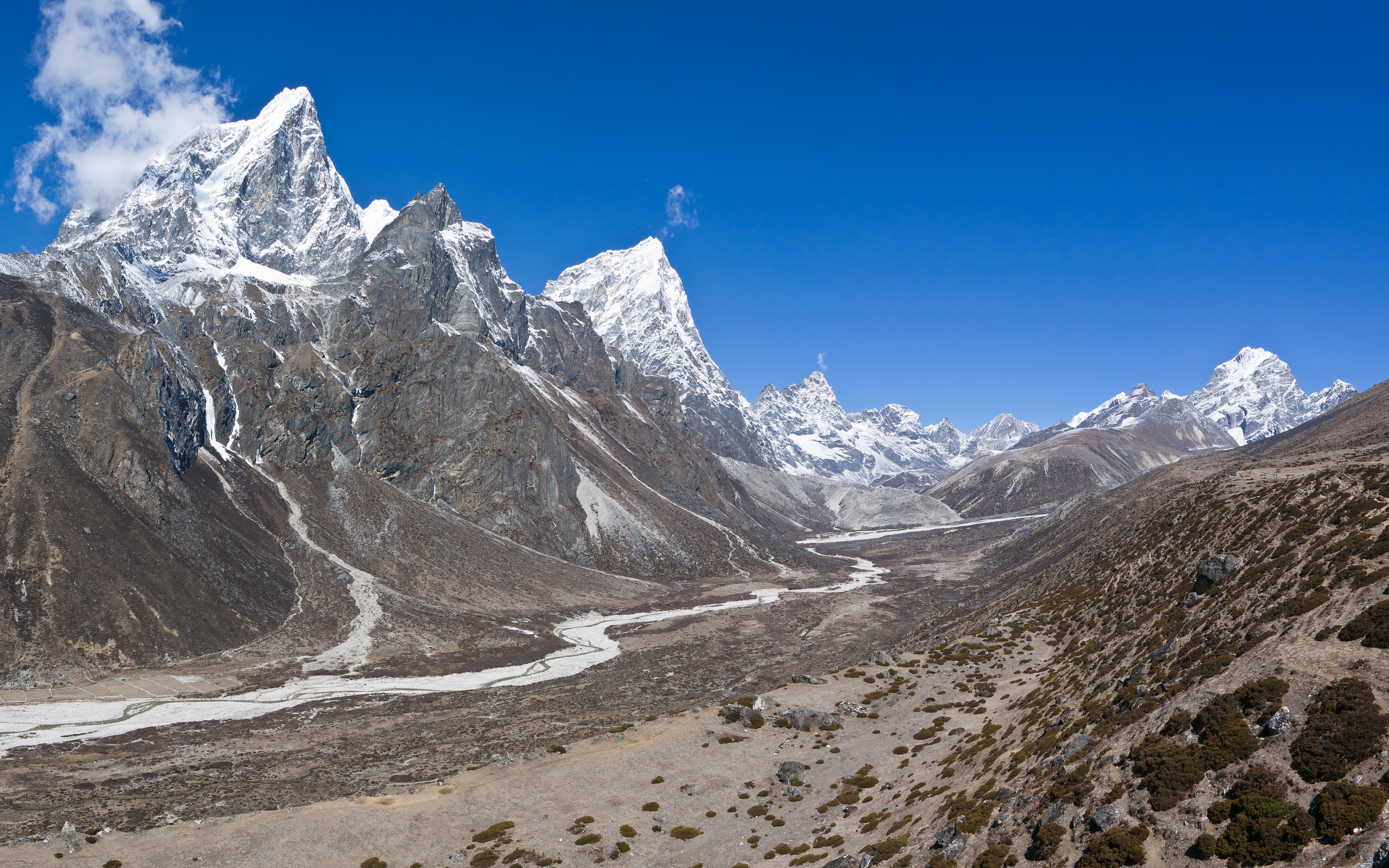
More than a week after flash floods struck the Bhotekoshi-Trishuli river basin in Nepal following a glacier collapse on the Nepal-China border on August 27, at least 22,000 children urgently need safe drinking water, sanitation and hygiene support, the United Nations Children's Fund (UNICEF) said on Thursday. Water systems have been damaged across affected districts, while toilets and other sanitation facilities have been damaged or destroyed. The death toll has surpassed 1,100, according to international media reports.
Damaged water systems and overcrowded conditions where families now shelter with host communities or in holding centres are raising the risk of waterborne and infectious diseases including dengue and scrub typhus, the World Health Organization highlighted this week. UNICEF Representative in Nepal Alice Akunga said damaged water systems, pipelines, pumps, toilets and other sanitation infrastructure need to be repaired and rebuilt to withstand future floods.
UNICEF has dispatched water, sanitation and hygiene supplies for around 19,000 people in Rasuwa and Nuwakot, among the hardest-hit areas. The supplies include more than 3,800 hygiene kits, 3,300 collapsible 10-litre jerrycans, 3,500 buckets, 3,500 one-litre mugs, 4,000 bottles of water treatment solution and more than 1,000 tarpaulin sheets.
UNICEF estimates that at least 19 schools have been damaged, including eight completely destroyed and eight partially destroyed. More than 10,000 school-age children need immediate psychosocial support and access to safe learning spaces.
As access improves, UNICEF said it will scale up emergency water supply, household water treatment, water-quality monitoring, temporary sanitation and handwashing facilities, and essential hygiene and menstrual hygiene supplies in communities and holding centres. Staff are working with government counterparts and partners on disease surveillance, hygiene promotion and outbreak prevention.