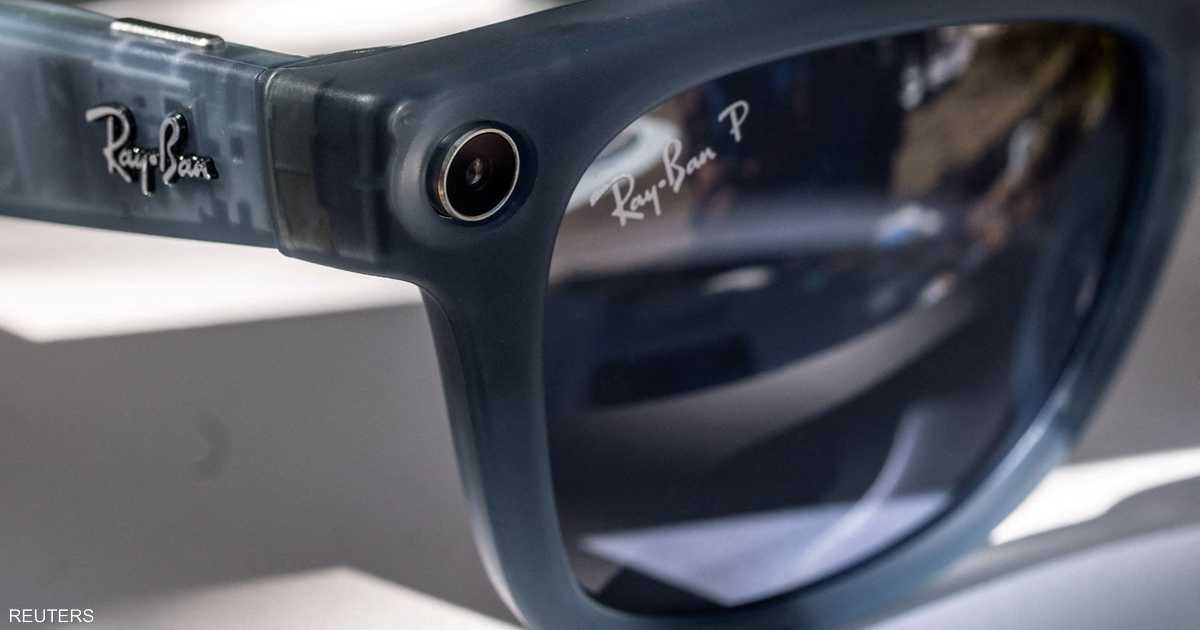
Smart glasses equipped with cameras, microphones and artificial intelligence assistants are becoming available or announced by manufacturers, including Meta with AI-powered models. Available or planned versions vary in capability, with some offering only audio and video recording while others include a screen that displays information in the wearer's field of view.
Meta's announced specifications include models capable of capturing photos and video, making calls, playing audio and providing real-time translation. Models with screens can display messages, directions while walking, translations and speech-to-text captions.
These capabilities offer a primary advantage: keeping the user's hands free while providing information connected to what they see or hear. When looking at a landmark or object, an artificial intelligence assistant can analyze the scene and answer related questions without requiring the user to type a question or take a photo on a phone first.
Smartphones retain significant advantages that make them unlikely to be displaced soon. Phones offer larger screens, longer battery life and processing power better suited to video watching, work, app usage and writing lengthy texts, and many smart glasses still rely on phones for setup, connectivity and photo and data management.
Smart glasses face technical challenges including battery size, device weight, screen clarity and day-long usability. The more cameras, screens and processing power added to smart glasses, the greater the power demand, requiring manufacturers to balance lightweight design against performance.
The most likely scenario is that smart glasses will extend smartphone functions before replacing them. They may handle quick tasks like reading notifications, translating, navigation and recording, while phones remain the hub for applications and tasks requiring larger screens or longer interaction. As batteries, screens and AI assistants improve, daily digital tasks may distribute across phones, glasses, watches and other wearable devices.