Iraq has achieved self-sufficiency in wheat and dates in the 2026 agricultural season, the Agriculture Ministry announced Friday. Ministry spokesperson Qusay al-Hattab said Iraq had maintained wheat self-sufficiency for three consecutive agricultural seasons, including 2026. The ministry plans to sustain wheat self-sufficiency next season under its winter agricultural calendar.
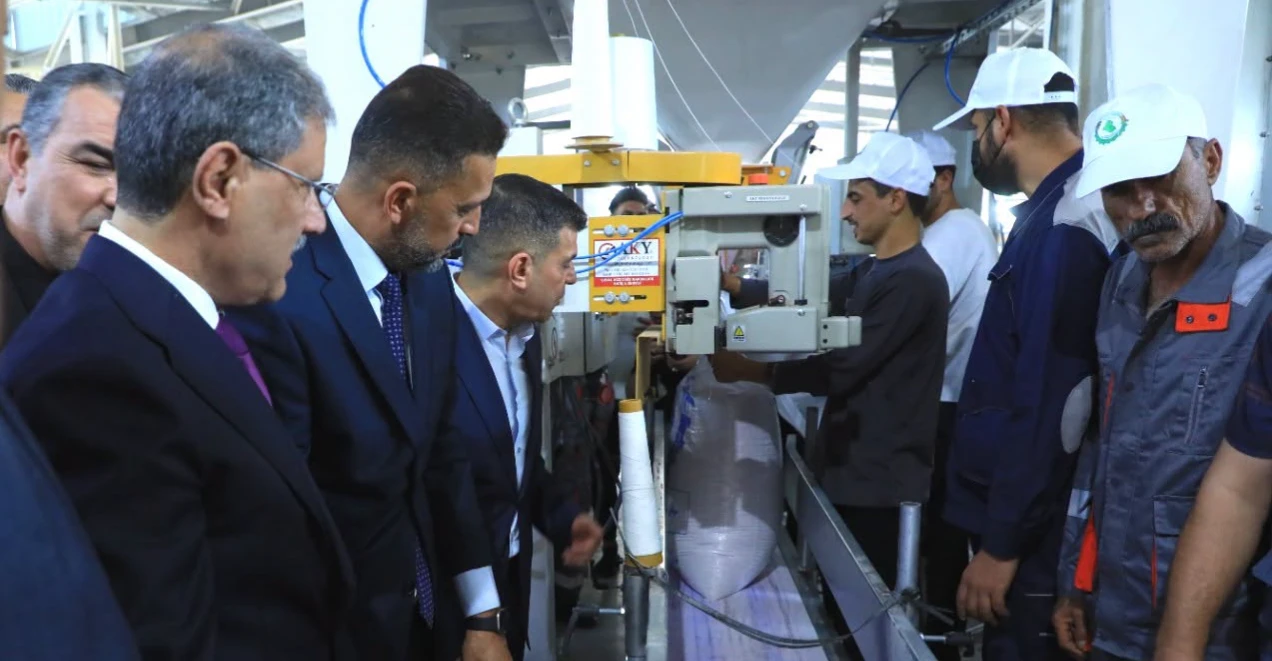
The ministry has developed new wheat seed varieties designed to tolerate salinity and climate stresses. Farmers received subsidized irrigation sprinklers through installment plans extended to 10 years with a one-year grace period. Irrigation systems supported through an Austrian loan program received a 33 percent subsidy, reducing costs to about 49 million Iraqi dinars from 70 million dinars, al-Hattab said.
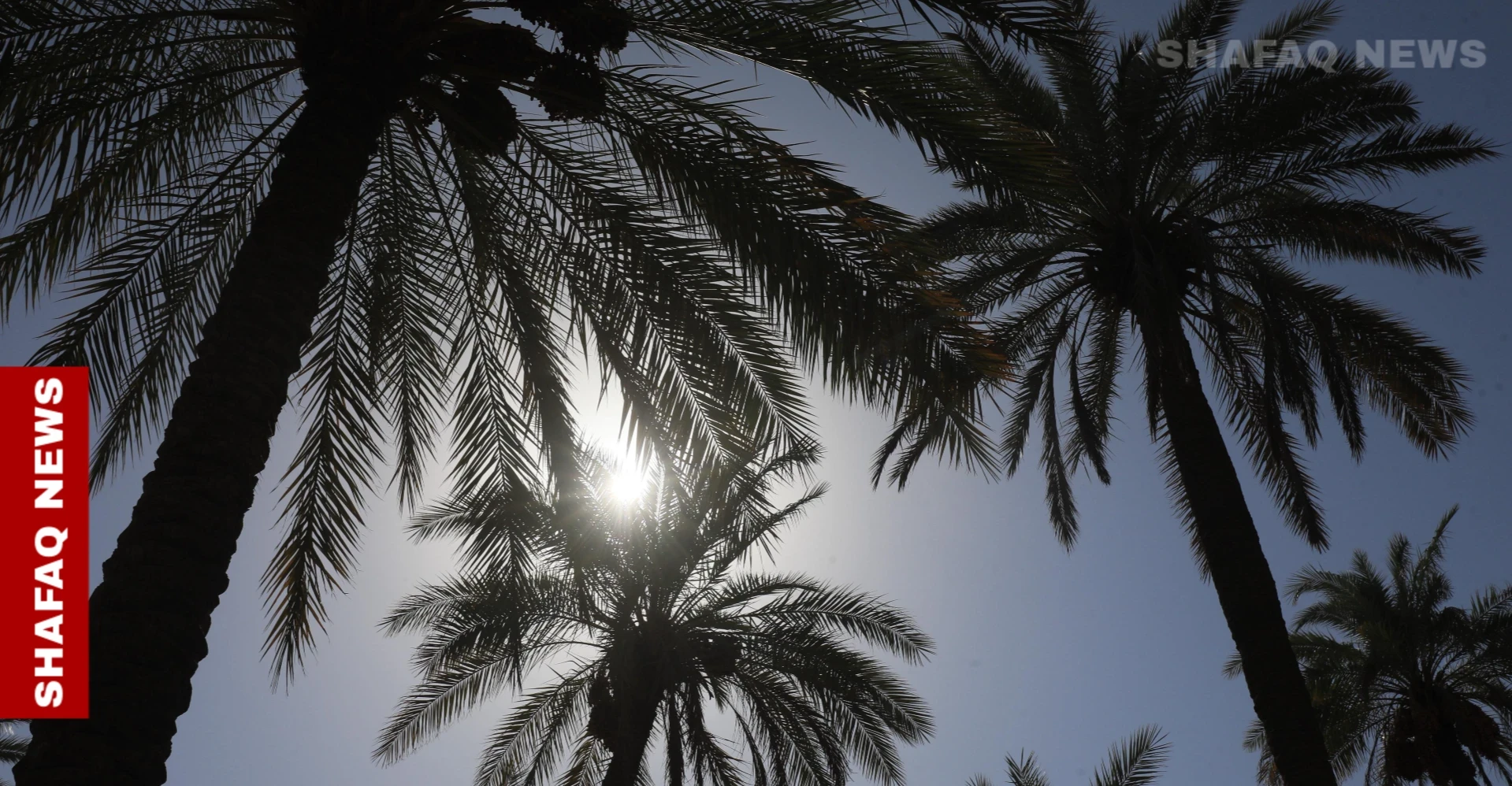
The number of date palms in Iraq increased from about 12 million after 2003 to 22 million in 2026, according to al-Hattab. Zahdi dates account for the largest share of production. The ministry is working to preserve date-palm cultivation as part of its strategy to achieve self-sufficiency in the crop.
To reduce reliance on imported crops, the ministry imposed standing import bans on 33 agricultural products, al-Hattab said. Another 15 products face temporary import restrictions that can be lifted when domestic supplies are insufficient. Import decisions are based on assessments by specialized committees within the ministry's Planning and Follow-up Department.
The committees monitor markets and conduct daily or near-daily inspection visits to three major Baghdad markets—Alawi Jameela, Al-Rashid, and Jameela—before submitting reports to relevant authorities. Import decisions are not made automatically but follow a detailed assessment of market conditions, al-Hattab stressed. Decisions to allow imports are considered only after committees determine that domestic supplies are insufficient.