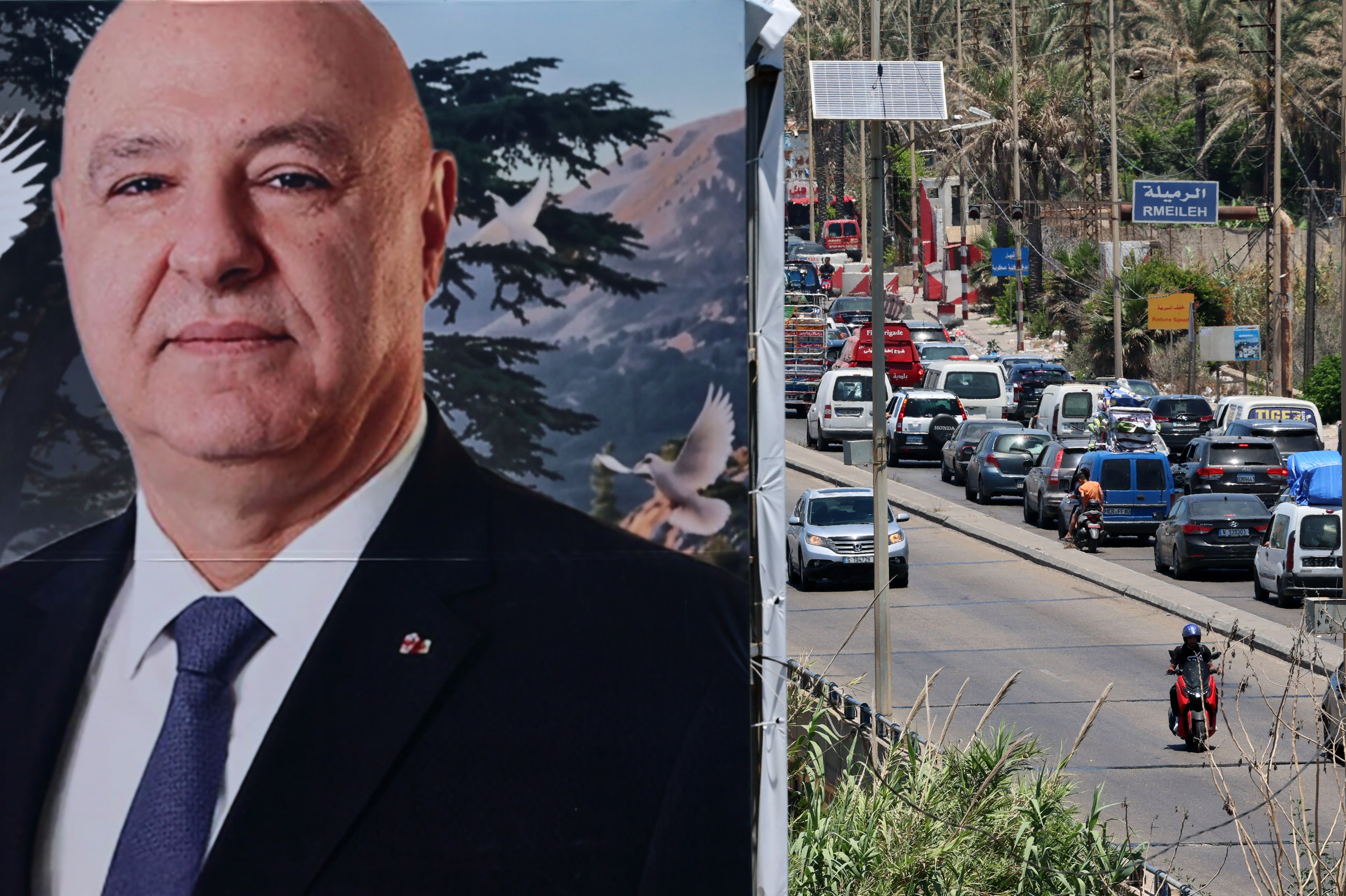
Lebanon's government has declared an Iranian ambassador persona non grata and demanded that Tehran communicate through official state institutions, signaling an effort to reduce Iranian influence in the country. The move reflects what analysts described as Hezbollah's waning power in Lebanon and an increasingly assertive Lebanese leadership determined to reclaim state sovereignty.
Israeli forces have moved beyond a self-established "yellow line" in southern Lebanon into three villages, demolishing homes and restricting residents' access to their land, according to reporting by The National. Israel has fought two major wars with Hezbollah, the Iran-backed militia that has repeatedly fired rockets at Israel's northern residents.
Iran's long-standing support for Hezbollah has given Tehran significant leverage over Lebanese affairs and repeatedly drawn the country into conflicts with Israel. The controversy over the Iranian ambassador's refusal to leave Lebanon exemplified what critics called Tehran's assertive approach to the country.
Lebanon's efforts to negotiate independently with Israel and engage with other Middle Eastern powers including Turkey and the United Arab Emirates represent an attempt to build mutually beneficial partnerships directly with Beirut. The country sits at a crossroads of competing regional interests in the Levant.