The prospect of a near-term agreement to end the conflict between the United States and Iran appears unlikely, with both sides exchanging military strikes and hardline rhetoric. The confrontation has entered its seventh month with no resolution in sight.
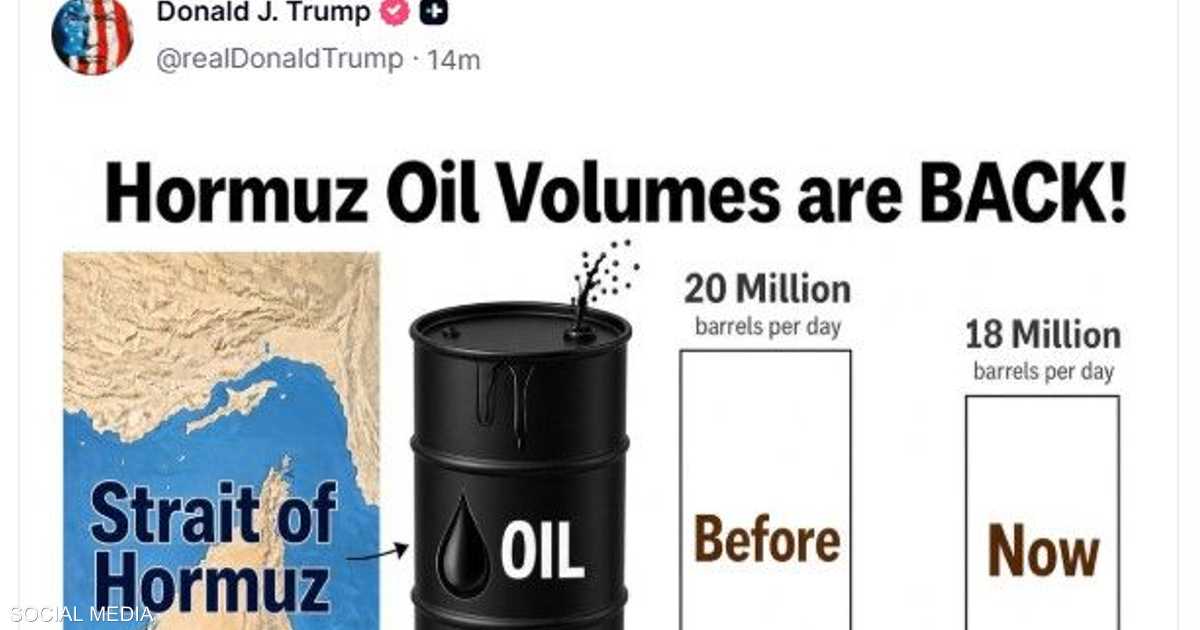
The United States has shifted toward comprehensive economic sanctions against Iran and countries conducting trade with it, aiming to force Iran to negotiate and halt attacks on shipping in the Strait of Hormuz. A memorandum of understanding signed by both sides in June was supposed to lead to a permanent ceasefire and a conflict settlement within 60 days, but the deadline has passed.
Jason Campbell, a senior fellow at the Middle East Institute in Washington, said the core problem is uncertainty about American strategic objectives. Campbell argued that military force alone has failed to achieve a quick victory, and the administration is now combining military and economic tools while seeking to maintain a state of managed pressure on Iran. He said American officials hope new sanctions will force Iran's government to negotiate from a weakened position.
Dr. Anissa Behrouzi Tabriz, a research fellow at the Middle East and North Africa Program at Chatham House in London, said she believes Tehran is preparing for prolonged pressure and sporadic attacks over coming months. She argued that Tehran's goal will be to respond proportionally to avoid escalation, and that she sees no indication Iranian calculations will shift toward new negotiations in the near term.
Nicholas Hopton, the former British ambassador to Iran and now a senior fellow in international security at the Royal United Services Institute in London, said the recent military escalation will not force Iranian surrender but represents a new phase of conflict. He argued that economic pressure is unlikely to succeed because China, Russia and other nations with commercial ties to Iran will not support unilateral American sanctions.
Hopton said the solution lies in implementing the full memorandum signed in June, including lifting all American sanctions on Iran. He acknowledged the difficulty given the Revolutionary Guards' deep entrenchment in Iran's economy, but said such an approach would require strategic patience on the part of the US and its partners—a quality he described as rare at present.