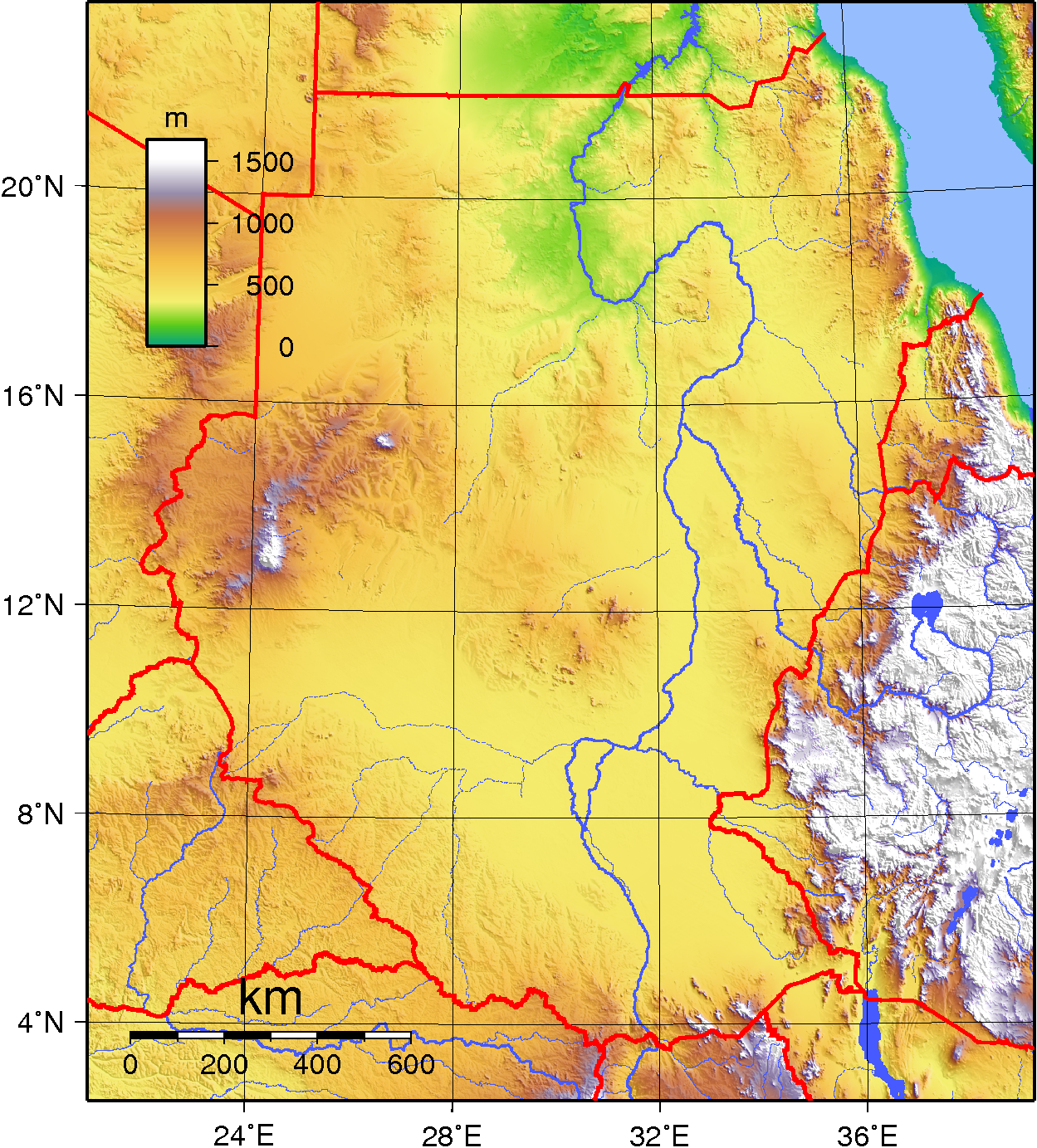
At least 10 people have died and more than 40 have been infected with cholera in Sudan's West Kordofan over Sunday and Monday in El Idai locality, according to the Kordofan Human Rights Observatory. The World Health Organization identified the region as "the latest outbreak hotspot," with more than 2,600 cholera cases reported across several Sudanese states by early August. The observatory said cases had spread to the nearby areas of Um Jak, Hameer, Um Raqil, and Shaq El Kidad.
The region faces an almost complete absence of medicines and life-saving supplies, particularly intravenous fluids used to treat acute watery diarrhoea, according to the observatory. Large parts of West Kordofan are cut off because of fighting between the Sudanese army and the Rapid Support Forces, a paramilitary faction, making it difficult for medical aid and food to reach civilians. Mortada Ahmed, the observatory's spokesperson, told Radio Dabanga that the number of cases and deaths was expected to rise as the outbreak continued.
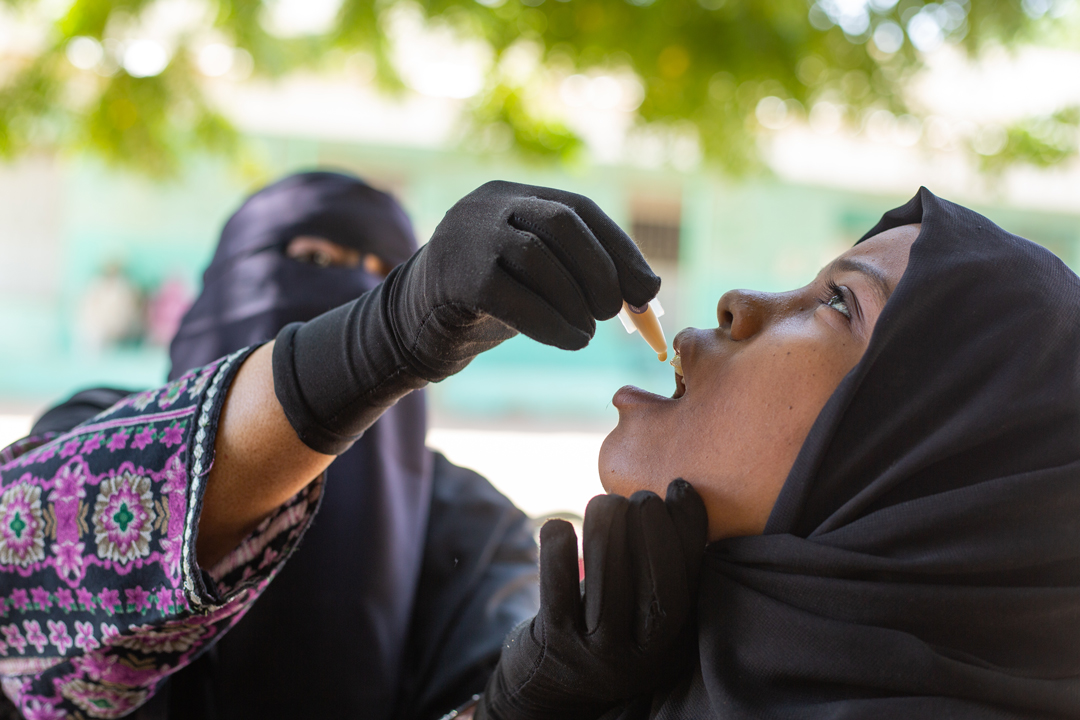
The WHO has announced a vaccination campaign targeting 928,000 people against cholera in West Darfur and West Kordofan. In West Kordofan, the campaign is being carried out in the localities of El Nahud, Dibanda, and the state capital El Fula. Additional preventive vaccination campaigns are also being launched in Kass, in South Darfur, and Tawila, in North Darfur.
Ahmed warned that environmental deterioration from the rainy season, combined with increased numbers of mosquitoes, flies, and stagnant water, was contributing to the outbreak's spread. He called on local, regional, and international humanitarian organizations to press the warring parties to open safe humanitarian corridors for medicines and food. The Kordofan Human Rights Observatory urged them not to use food and medicines as tools of war.
UN spokesperson Stéphane Dujarric said the United Nations and its partners were intensifying efforts to combat cholera, with health workers continuing to provide treatment and distribute essential medical supplies. No timeline has been given for opening humanitarian routes or expanding access to affected areas.