Independent UN human rights investigators said on Thursday that foreign recruitment and external support networks are fuelling Sudan's conflict between the Sudanese Armed Forces and the paramilitary Rapid Support Forces (RSF). The report by the UN Independent International Fact-Finding Mission documented how external actors are strengthening military capabilities and enabling increasingly sophisticated operations with consequences for civilians.
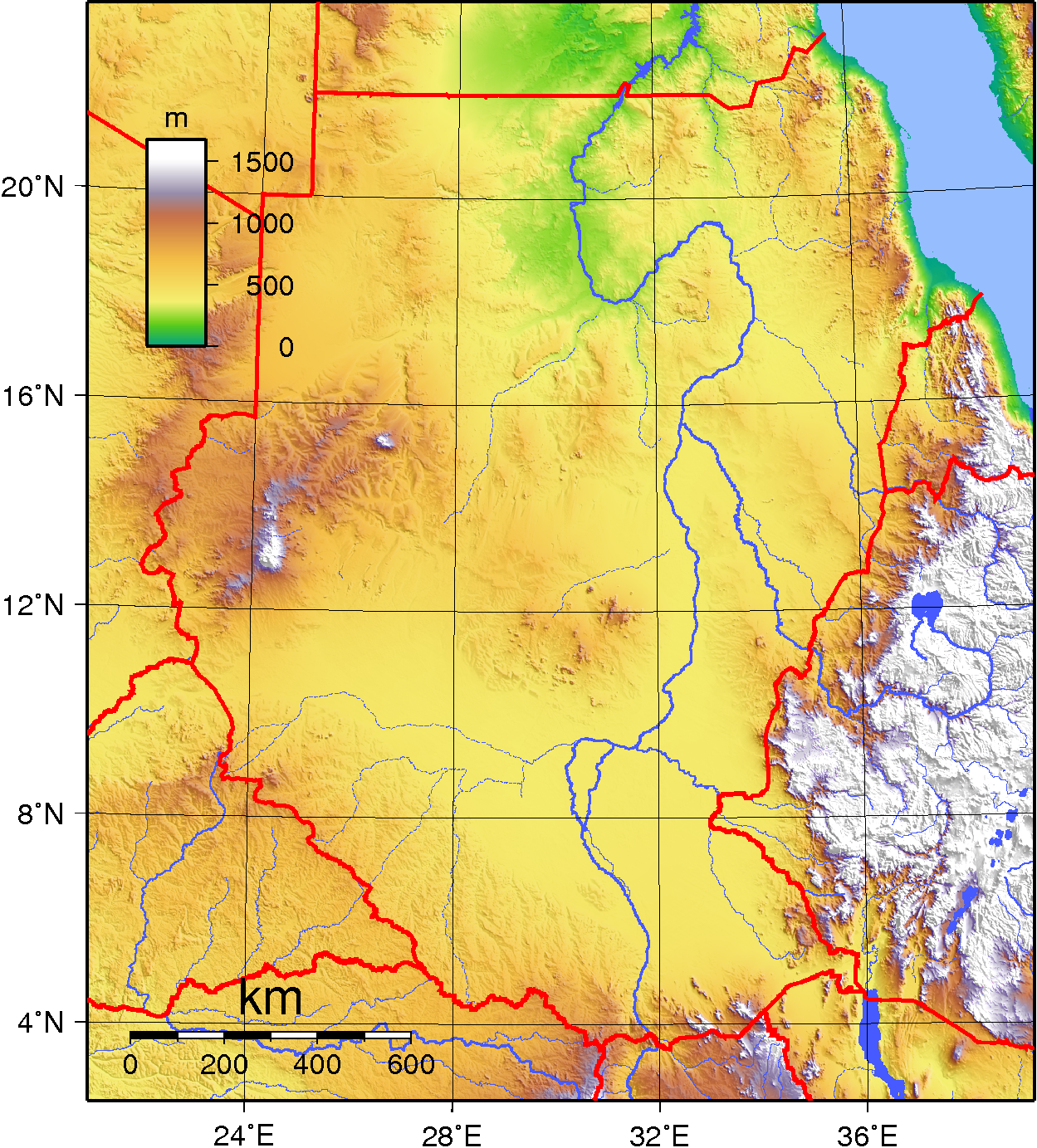
The mission said it had documented the deployment of up to 2,000 former Colombian military contractors directly involved in operating combat drones, artillery and advanced weapons alongside RSF units in Darfur and Kordofan. According to the report, private entities, logistical facilitators, and recruiters operating from Colombia and the United Arab Emirates used transit points in Chad, southeastern Libya, and the Somali city of Bosaso to facilitate the delivery of personnel, training, weapons, and supplies to the RSF.
The investigators also concluded that there are reasonable grounds to believe the SAF used foreign-supplied drones in operations that harmed civilians and civilian objects. Foreign suppliers have substantially enhanced drone capabilities of both warring parties, enabling them to strike far beyond front lines, the report found.
Mohamad Chande Othman, chair of the Fact-Finding Mission, said the consequences of external support were being felt most acutely by civilians. "Civilians are paying the price through attacks on homes, hospitals, schools, markets and places of refuge," he said.
The investigators called on States to enforce the arms embargo on Darfur, halt military transfers where there is substantial risk of contributing to serious violations, and investigate individuals and entities involved in illicit support networks. They also urged the Security Council to extend the arms embargo to cover all of Sudan.