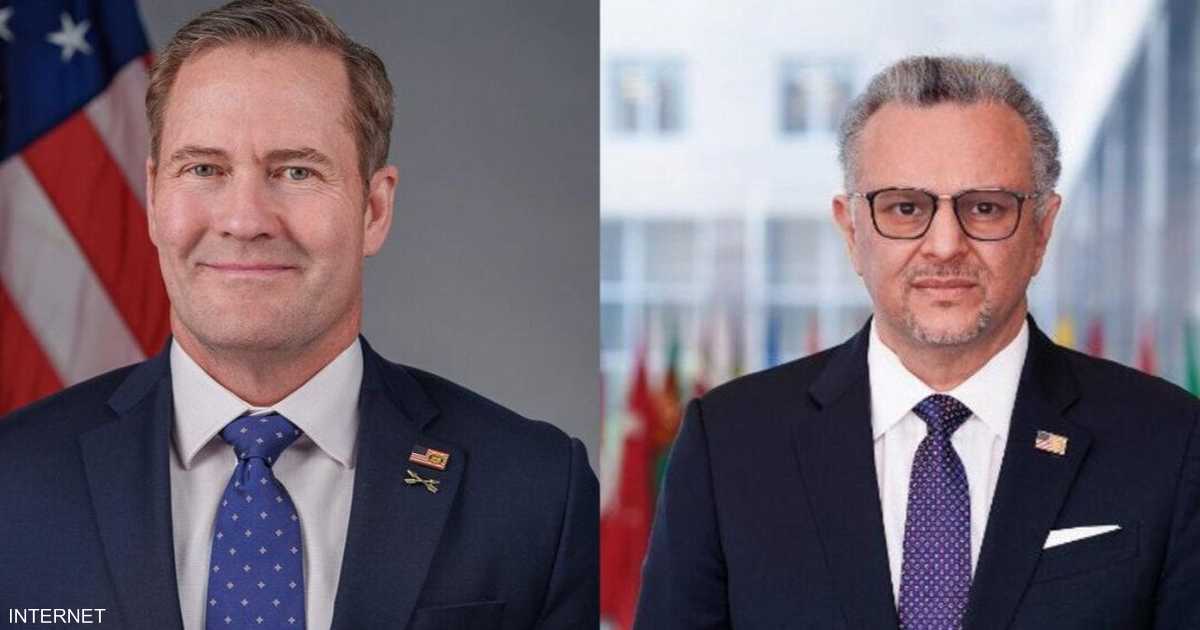
The US ambassador to the United Nations, Michael Waltz, and Massad Boulos, a senior adviser to President Donald Trump on Arab and African affairs, said in a joint article in Foreign Policy that the proposed embargo would apply to both sides of Sudan's war and all states and networks supplying them with weapons, ammunition, military support and logistics, "without any exceptions."
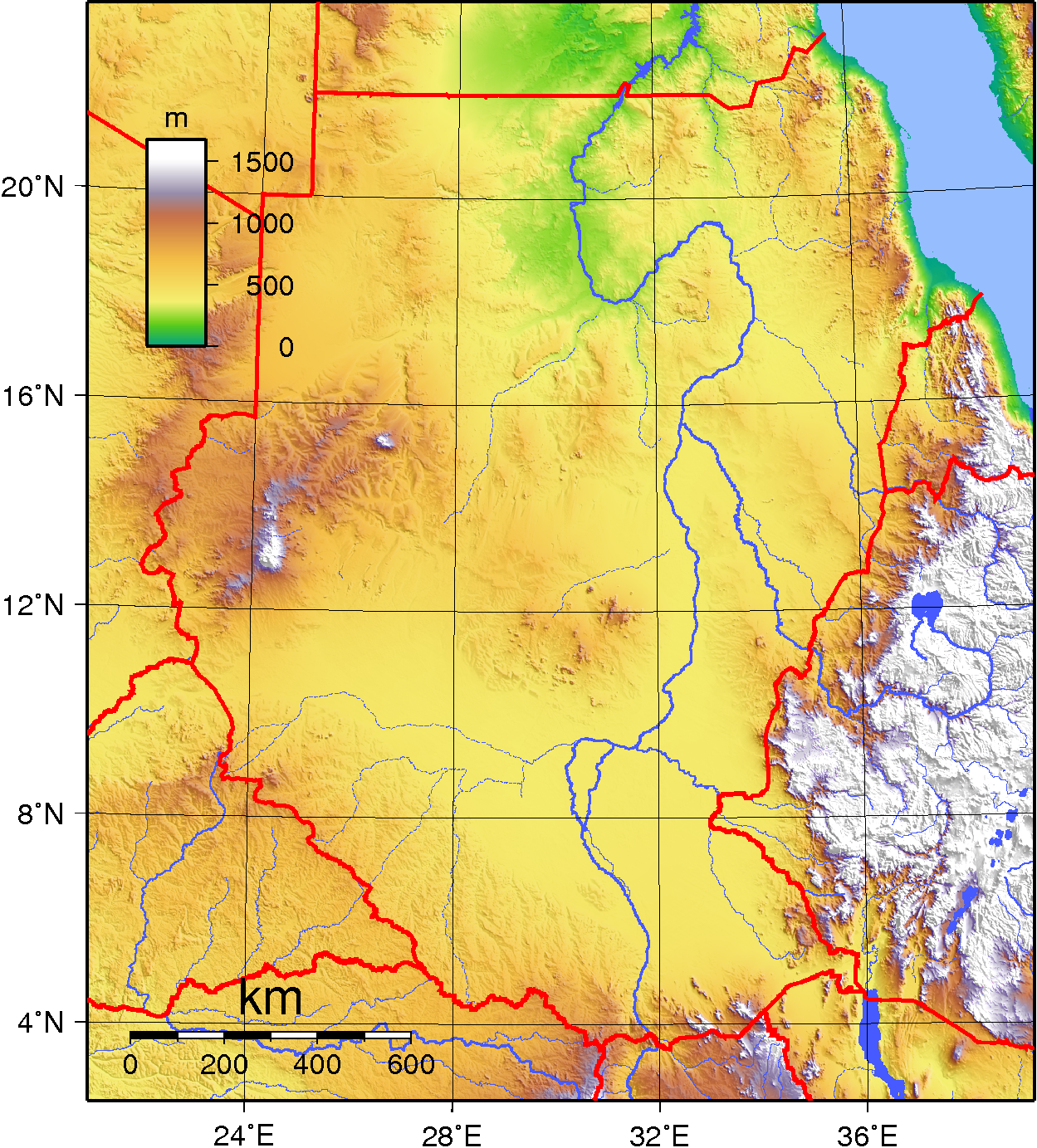
The article said the draft resolution targets arms dealers, procurement agents, mercenary recruiters, financiers, drone suppliers, state-backed networks, and leaders responsible for serious violations. The two officials said the current sanctions regime under UN Security Council Resolution 1591 covers only Darfur, despite military operations having spread to Kordofan, the Blue Nile, and other regions far outside that geographic scope.
Waltz and Boulos said weapons do not lose their destructive capacity when crossing the arbitrary borders between Darfur and other Sudanese regions, and that smuggling networks have adapted to existing restrictions and exploited geographic gaps. More than 12 countries provide military support to both sides of the conflict, they said, while international networks supply drones, weapons, spare parts, money, expertise, and foreign fighters including mercenaries from Colombia.
The two officials said the Security Council has maintained the same geographic scope of restrictions for more than 20 years while battlefields, weapons types, and foreign suppliers have changed drastically. Under the US proposal, the United Nations would monitor violations, identify networks transferring weapons, and document embargo breaches, while member states would gain legal authority to intercept shipments, freeze assets, tighten export controls, and act against financiers, smugglers, and procurement networks.
Waltz and Boulos linked the need for expanded restrictions to a sharp escalation in drone use, which they said has enabled both sides to carry out more deadly attacks at lower cost and target distant areas. At least 2,670 people, including civilians and fighters, were killed in drone strikes during the past year, a 600 percent increase in one year, the article stated. Over 1,000 people died in drone strikes during the first five months of this year, accounting for roughly 80 percent of civilian deaths during that period.
The two officials said attacks have struck markets, hospitals, schools, and aid routes, and accused both sides of looting food and supplies, blocking aid access, and using it as pressure on civilians. Waltz and Boulos warned Security Council members considering opposing or abstaining on the resolution that doing so would permit continued weapons flow and violence in Sudan.