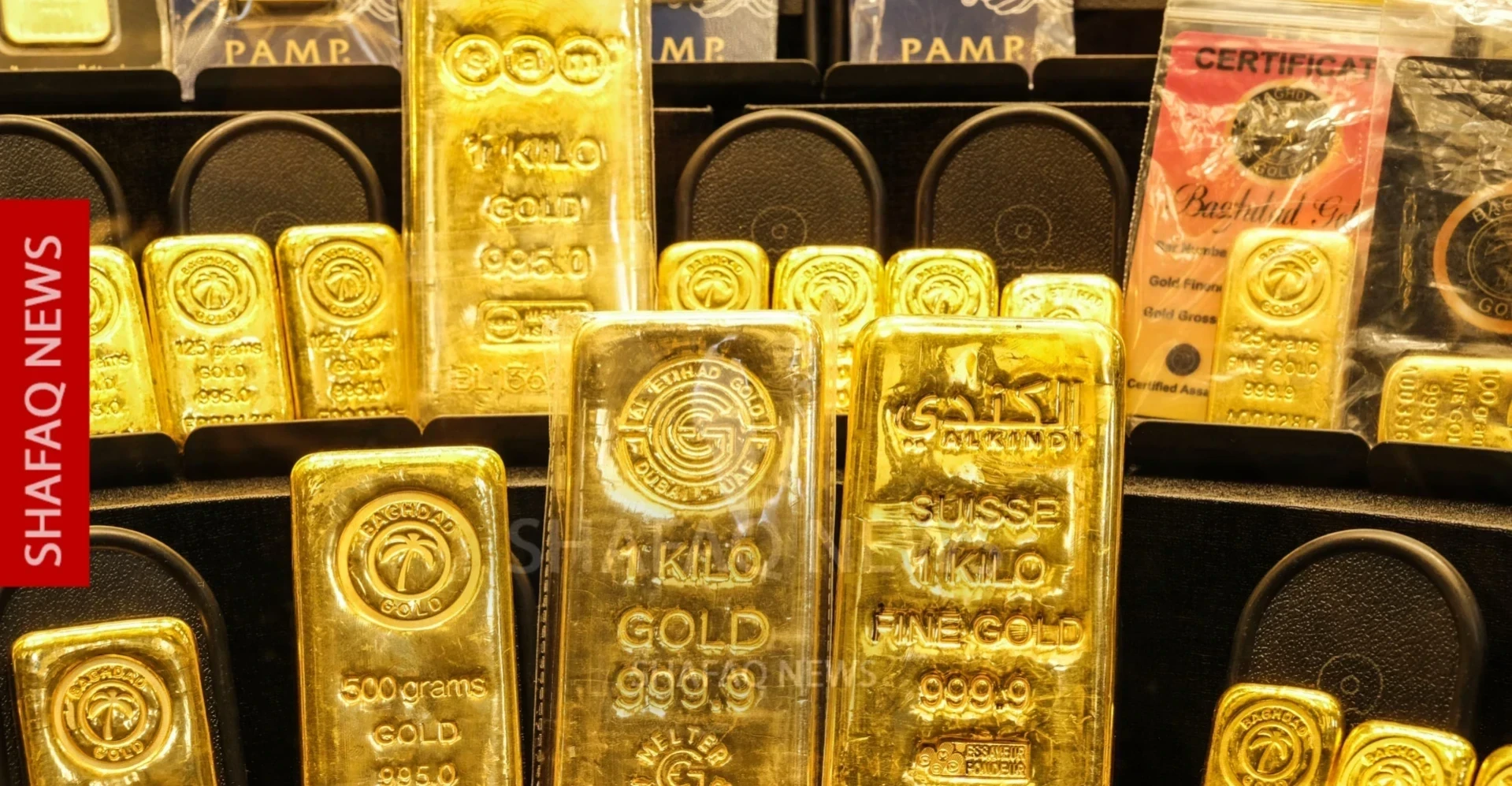
Gold prices have fallen toward $4,300 from above $4,600 in August, while Bitcoin has dropped below $77,000 from a May peak above $80,000. The retreat followed a brief period in which the two assets rose simultaneously, an unusual occurrence analysts attributed to shared investor concerns about currency debasement and government debt.
Andreas Anthis, head of multi-asset and absolute return at Mashreq Capital, said the August rally reflected fears about U.S. government debt exceeding $40 trillion and rising inflation. "The supply of gold expands only at the pace of mine production, while Bitcoin's supply is limited by design," he said, explaining why both attracted investors seeking assets governments cannot print at will. Analysts called this strategy the "dollar debasement trade."
The turnaround came as Middle East tensions pushed oil prices higher, raising inflation expectations and prompting investors to anticipate that the Federal Reserve would maintain higher interest rates or raise them further. Tony Hallside, chief executive of STP Partners in Dubai, noted that dollar-denominated assets became more attractive in that scenario. "Investors were using different assets to express their concern about purchasing power of money and sustainability of government finances," he said of the August moves.
Fawad Razaqzada, market analyst at Forex.com, said fears of a more hawkish Fed were hitting investors' appetite for risk. "Global stocks, gold and Bitcoin are all falling as a result," he said. Both gold and Bitcoin offer no yield or interest payments, a disadvantage when investors could obtain 5 to 6 percent returns from cash and bonds with less volatility.
Some analysts said predictions of dollar collapse have repeatedly proved premature. Madhur Kakkar, chief executive of Elevate Financial Services, said the dollar erosion argument "may be real, but the process will take decades" and that investors positioned for a dollar collapse "have been wrong for a decade." Vaibhav Loomba, group head of FX and rates at Klay Group, noted that the dollar lost 40 percent of its value during the euro's first decade after its 1999 launch yet retained its position as the world's reserve currency.
Hamza Dweik, head of trading for the Middle East and North Africa at Saxo Bank, said U.S. equities now account for roughly 60 percent of global market capitalisation, mostly due to mega-cap technology stocks. He said there was "a gradual reassessment of U.S. exceptionalism," with America's fiscal deficit, growing debt burden and political uncertainty encouraging investors to diversify away from U.S. assets.