Global food prices in August reached their highest level since November 2022, according to the Food and Agriculture Organization, a United Nations agency. The organization's food price index climbed to 133.3 points in August, up 1.9% from July's 130.8, with all five food groups it tracks registering increases. The index measures monthly changes in international prices for commodities including grains, vegetable oils, meat, dairy and sugar.
The August reading was 2.5% higher than August 2025, though it remained 16.8% below its record high in March 2022, when Russia's invasion of Ukraine disrupted global grain, vegetable oil and fertilizer trade. The FAO tracks the index by weighting each commodity group according to its average share of global exports during 2014-2016.
Sugar led the price increases, with its index jumping 11.9% to 106.4 points, the highest since June 2025, as global supply concerns mounted for the 2026-2027 season. The FAO attributed the surge to hot, dry weather that reduced sugar beet production forecasts in the European Union, El Niño effects on major Asian producers, declining output in central and southern Brazil, and India's announcement allowing tariff-free imports of raw sugar.
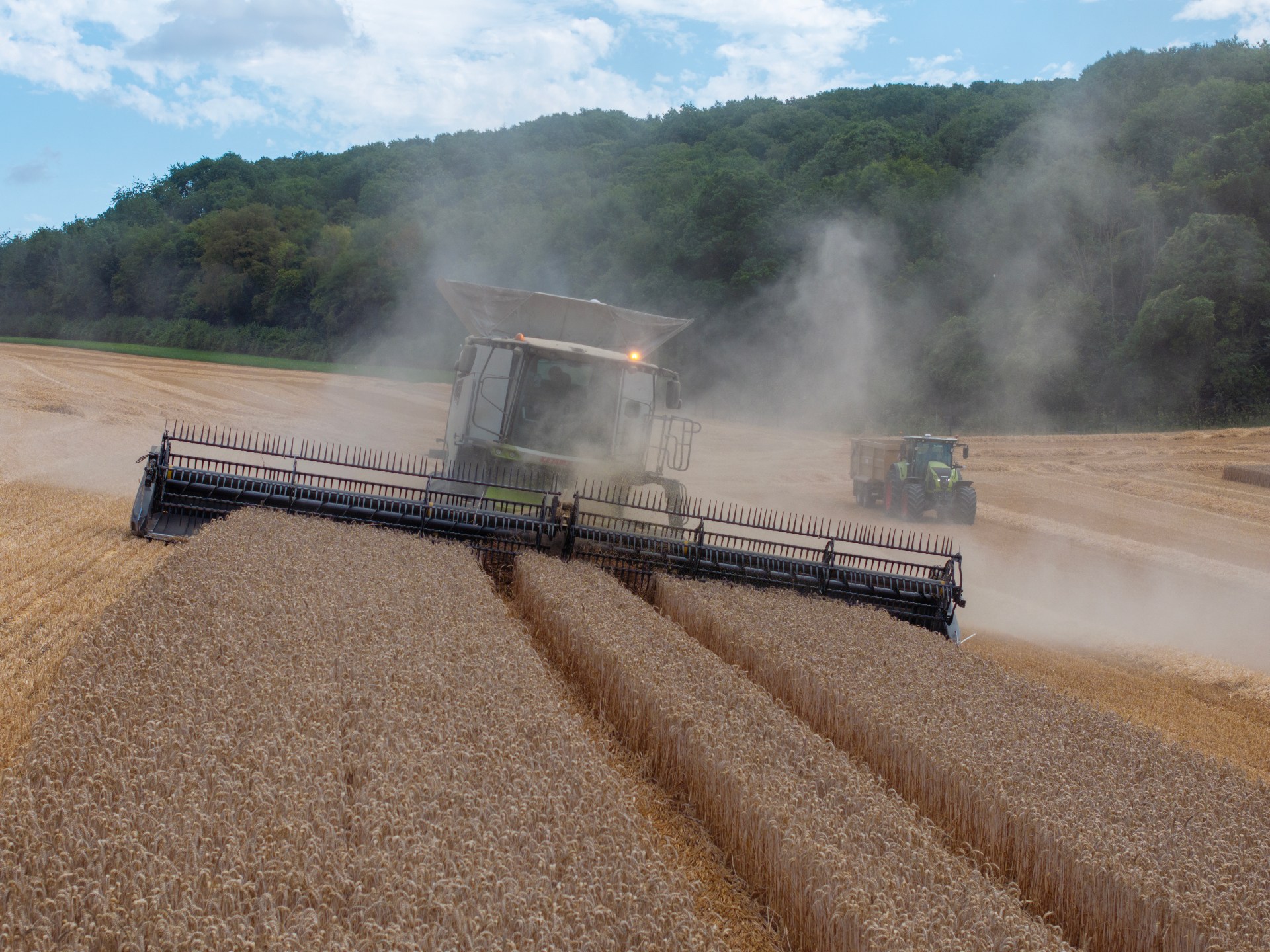
The grain price index rose 2.2% to 116.3 points, the highest since May 2024. Wheat prices globally increased 2.6% during the month and 15% year-on-year amid disrupted Black Sea logistics and reduced European crop prospects from heat and drought. Corn prices rose 2.5% on production concerns in the United States and European Union and disrupted Ukrainian exports.
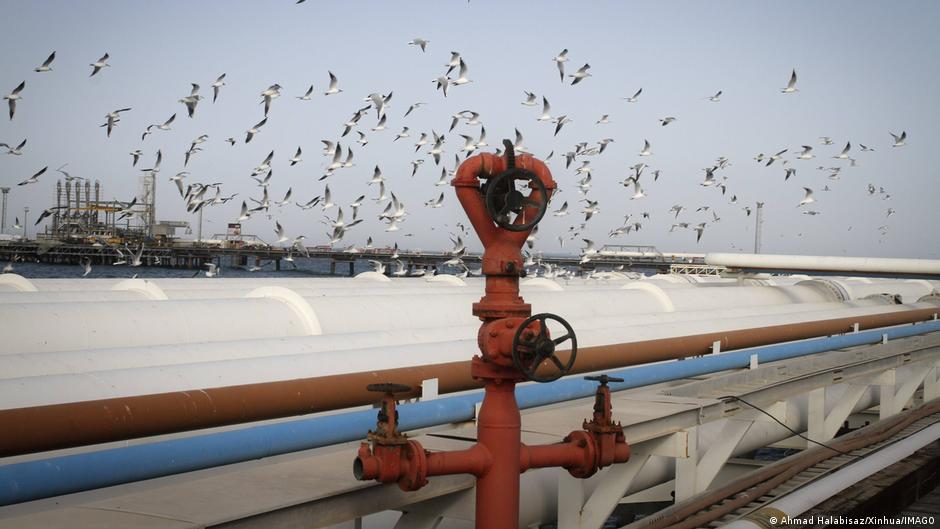
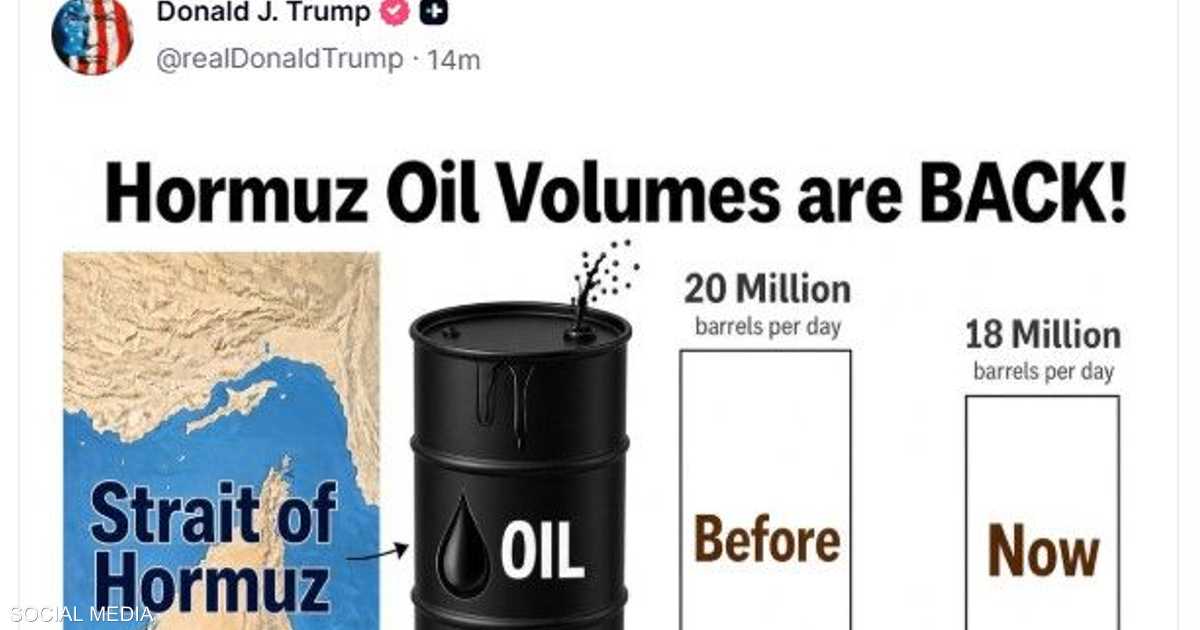
The FAO said closure of the Strait of Hormuz and resulting supply concerns for production inputs provided additional support to corn prices. Sorghum prices increased 3.9%, barley 2.6%, and the rice price index rose 0.5%. The vegetable oil index reached 196.9 points, up 0.6% for a third consecutive month and the highest since June 2022.
The FAO cut its forecast for global grain production in 2026 by 3.4 million tons from July estimates to 2.98 billion tons, a decline of 61.1 million tons or 2% from 2025 — the largest year-on-year fall since 2018. It attributed most of the downward revision to deteriorating corn crop prospects, especially in the European Union, and cut global grain reserves estimates for the end of 2027 to 947.2 million tons.