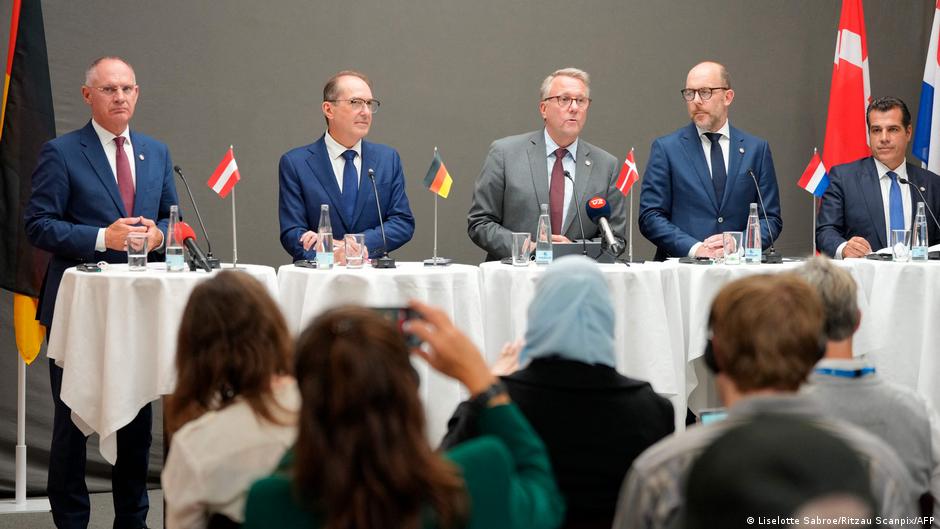
Germany and four other European Union nations held talks in Copenhagen on Friday to discuss establishing migrant return centers outside EU territory, a German Interior Ministry spokeswoman said. The five countries—Germany, Austria, Denmark, the Netherlands and Greece—are working on what is known as "removal centers" in non-EU nations, the spokeswoman said. Initial conversations have already begun with potential partner countries, she added.
The German government did not disclose the names of those countries, citing the confidential nature of trust-based relationships with potential partners. The Copenhagen meeting was hosted by Danish Integration and Immigration Minister Morten Bødskov, and aimed at discussing concrete steps toward an agreement with a potential partner nation, according to Danish government statements. The European Commission participated as an observer.
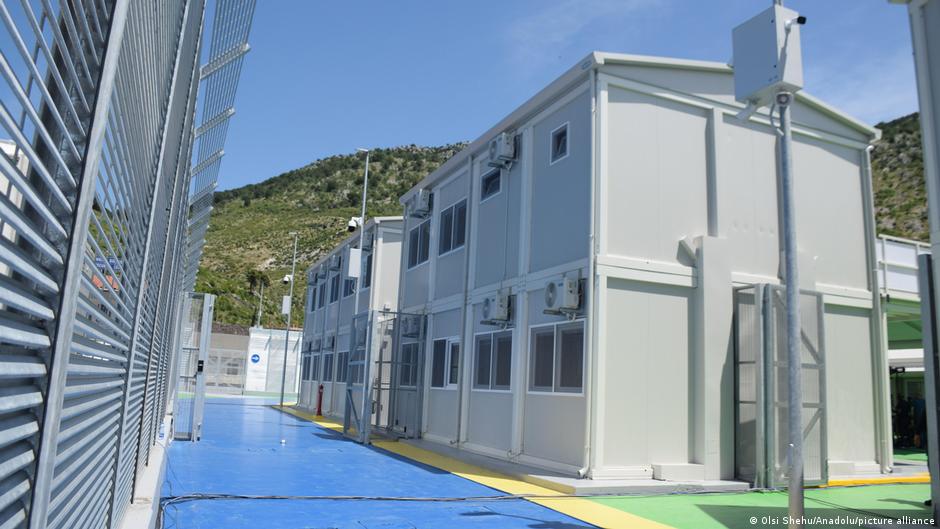
The proposed return centers would house people subject to binding deportation orders who cannot be returned to their home countries—for instance, because those nations refuse to readmit their citizens. German Interior Minister Alexander Dobrindt said recently that Berlin aims to reach concrete agreements with non-EU countries by the end of this year.
The idea of establishing return centers outside the EU has been debated for years but remains controversial. Amnesty International has warned of potential human rights risks within such facilities and expressed concern about agreements with countries experiencing conflict or political instability.
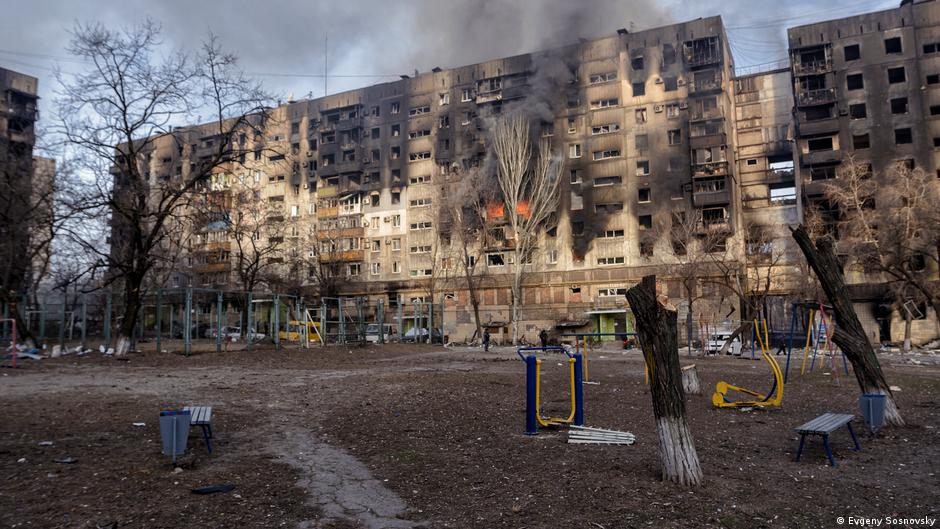
The number of refugees living in Germany fell by about 20,000 in the first half of this year to roughly 3.5 million, according to the German newspaper Neue Osnabrücker Zeitung. In contrast, 2025 saw a net increase of about 88,000 Ukrainian refugees in Germany, bringing the total to approximately 1.35 million, making them the largest refugee group in the country.
Clara Bünger, the left-party parliamentary group's spokesperson on refugee issues, said arrivals from Ukraine have declined noticeably and criticized government plans to subject newly arriving Ukrainian refugees to the asylum assistance system, describing the proposals as "deeply regrettable."