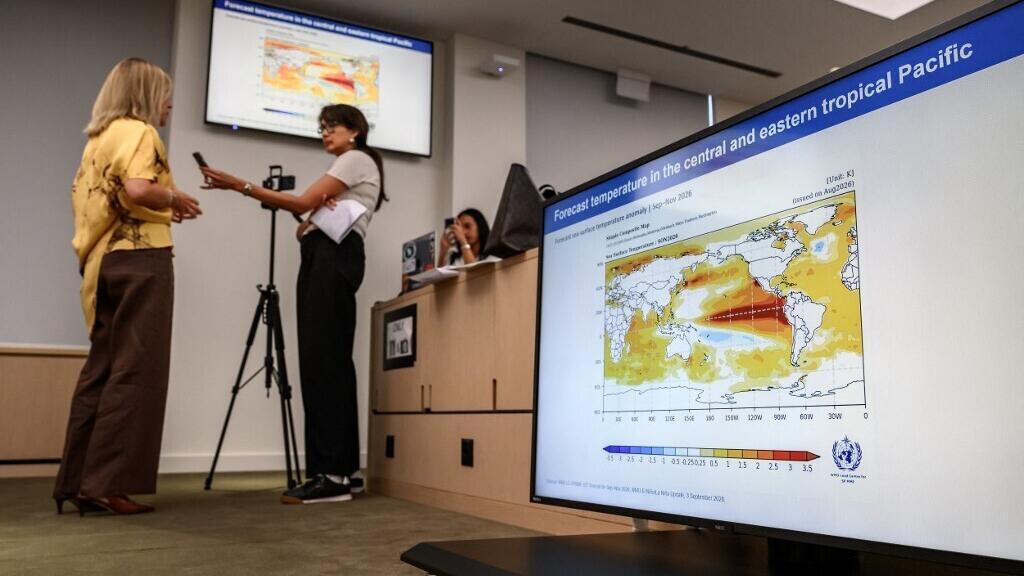
A U.N. Environment Programme report released on September 2, 2026, said global priorities have shifted from preventing the world from reaching 1.5 degrees Celsius above pre-industrial levels to minimizing the extent of the overshoot and shortening how long temperatures remain above that mark. The 1.5-degree figure represents the rise in average global temperature compared to 1850–1900 levels, the baseline for pre-industrial conditions.
2024 was the first full year on record to exceed the 1.5-degree threshold, with average global temperatures reaching approximately 1.55 degrees above pre-industrial levels. Exceeding the target in a single year does not mean the Paris climate agreement's goal is abandoned, as that goal is measured over a long-term period rather than one year.
The U.N. Environment Programme report examines scenarios where temperatures overshoot 1.5 degrees, reach a peak, and then decline if swift and broad climate action is taken. Under the most favorable scenarios modeled in the report, peak warming reaches approximately 1.8 degrees, while other scenarios project rises exceeding 2 degrees. The higher the peak or the longer the overshoot persists, the greater the risks to human health, economies, and ecosystems.
Health harms do not begin abruptly at 1.5 degrees but increase gradually with each additional increment of warming. This means more intense and longer heat waves, increased risk of heat stress, and mounting pressure on outdoor workers and health systems. The World Meteorological Organization confirmed that 2015 to 2025 were the 11 hottest years on record, with 2025 being the second or third hottest year depending on the database used, at approximately 1.43 degrees Celsius above 1850–1900 levels.
During 2025, the world experienced heat waves, wildfires, droughts, heavy rainfall, cyclones, and floods that caused thousands of deaths, affected millions of people's lives, and resulted in billions of dollars in economic losses. A joint report released by the Food and Agriculture Organization and the World Meteorological Organization on April 22, 2026, concluded that extreme heat events threaten the health and livelihoods of more than one billion people and cause the loss of approximately 500 million working hours annually.
The report found that productivity of most major crops begins to decline when temperatures exceed 30 degrees Celsius, while heat stress symptoms appear in common livestock species above 25 degrees Celsius. Warming has shifted from a purely environmental issue to a crisis affecting health, income, food security, and productivity—particularly in communities most exposed to extreme heat and weather events.