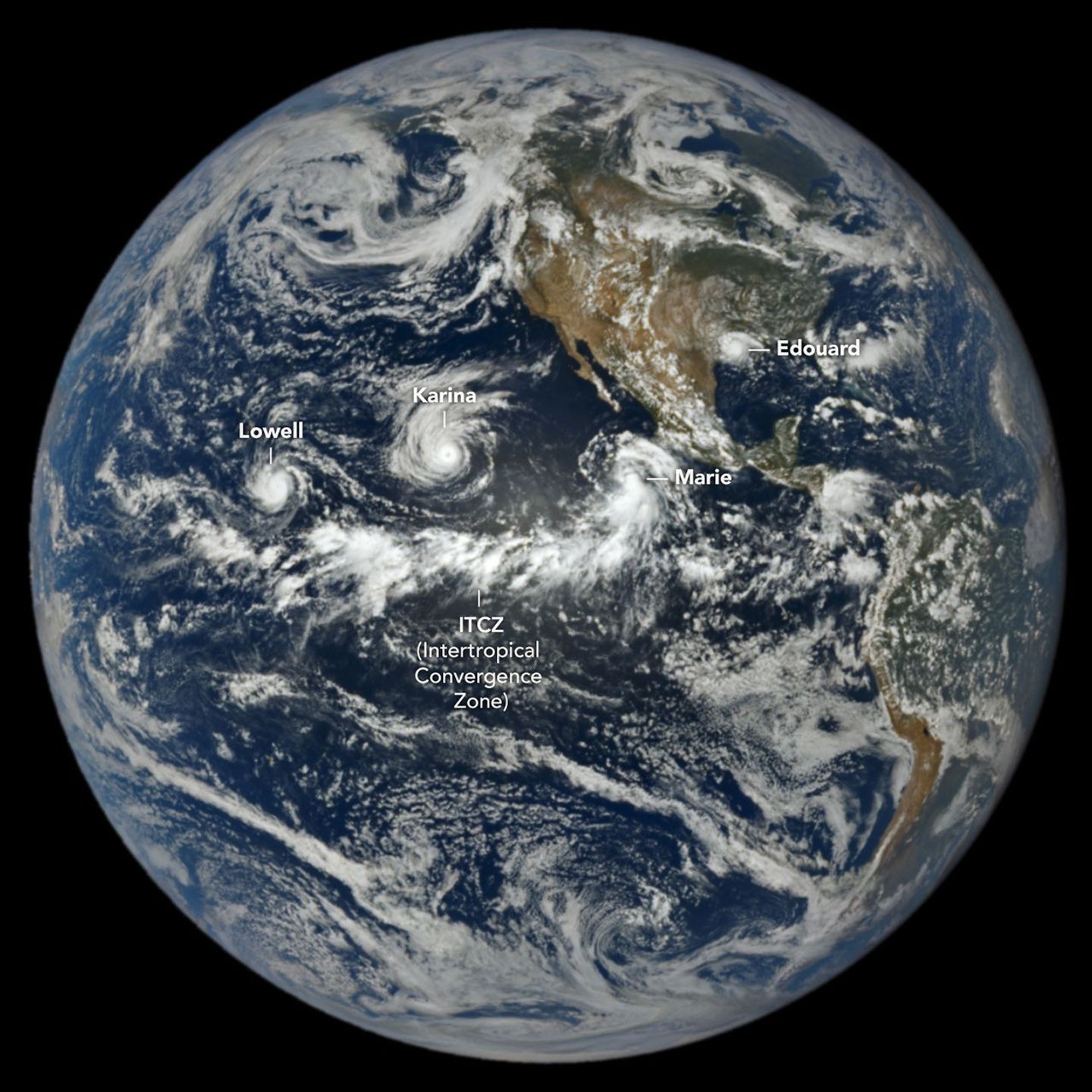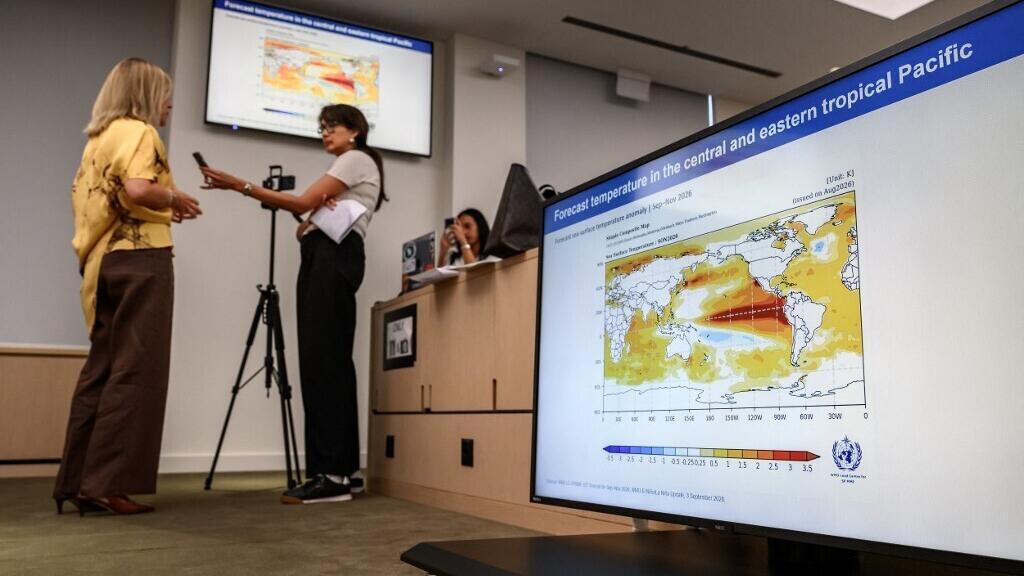
The World Meteorological Organization said Thursday that the El Niño climate pattern has established itself "firmly" in the tropical Pacific and is expected to intensify to "very strong" levels by the end of 2026. The U.N. agency assessed with near-certainty—close to 100 percent probability—that El Niño will persist through February 2027. It was the first time the organization has issued a bulletin at this level of certainty.
Celeste Saulo, secretary general of the World Meteorological Organization, said at a press conference that the phenomenon "may be the strongest of anything recorded since we started recording data and may actually exceed the limits of the graphs we have been using for four decades." The warming has already produced anomalies of more than +2.6 degrees Celsius in surface waters and over +8 degrees Celsius in subsurface areas as of late July.
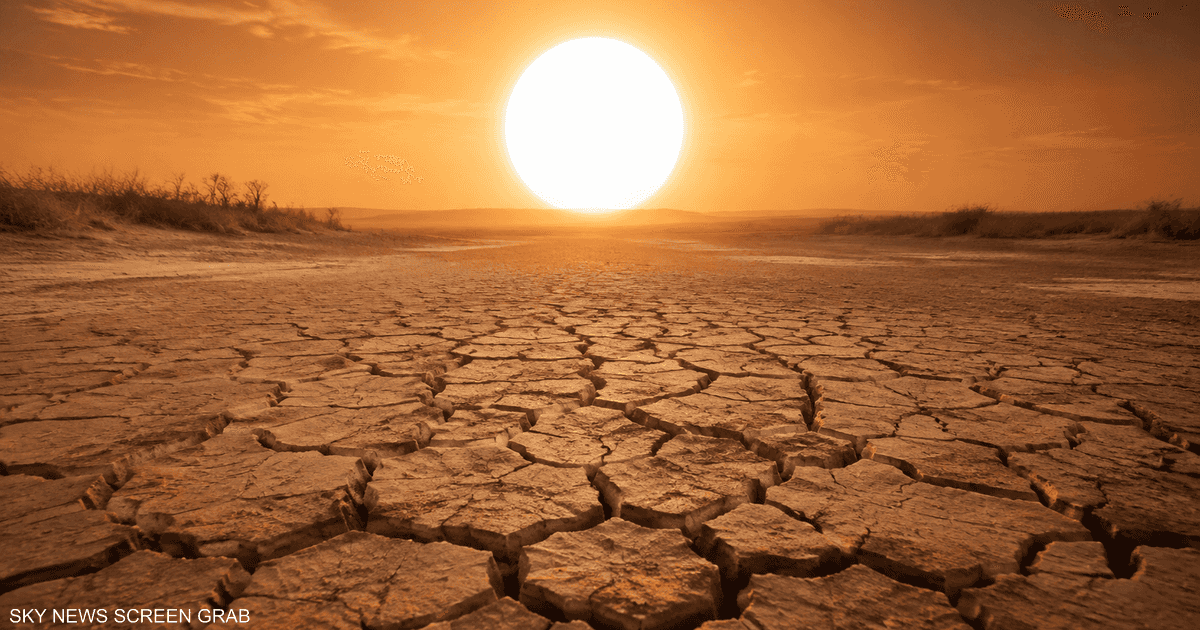
According to the French meteorological agency, forecasting models indicate the current El Niño will rank among the strongest since 1950. El Niño occurs every two to seven years as an abnormal rise in sea surface temperatures across the central and eastern tropical Pacific, disrupting wind patterns, atmospheric pressure and rainfall distribution across vast regions. Previous El Niños have been associated with drought and wildfire risk increases in parts of the Amazon, Central America, Indonesia and Australia, as well as effects on Indian monsoon patterns and heavy rainfall in East Africa.
The organization has identified Sudan, Ethiopia and Somalia as highest priority, with drought, flooding and harvest disruptions anticipated in those regions and others across Asia-Pacific, Africa, Latin America and the Caribbean through at least November 2026. Europe is expected to experience less direct effects than tropical regions, though impacts typically appear in winter, according to the French agency.
Gael Musquet, a meteorologist specializing in natural disaster preparedness, said early warning systems are critical for floods, landslides and glacier-related hazards, since "we cannot prevent these phenomena—that is certain." He emphasized the need to warn populations, plan evacuations, arrange emergency response mechanisms and provide financial resources, noting the importance of preparedness drills like the Cyclonex exercise in La Réunion that bring together health workers and government agencies.
U.N. Secretary-General António Guterres said: "We are now in a race against time between mounting risks and our commitment to climate action and protecting populations. This is a race we must win." The organization warned that strong El Niño combined with global warming represents a significant threat to populations and economies worldwide.